
Why Christmas Hits Widows So Hard (And What Your Body Is Actually Experiencing)
Christmas is meant to feel warm and connected—but for many widows it feels loud, exposing, and heavy. This grief-informed reflection explains why the holidays hit so hard after loss, and what’s really happening in the body, brain, and heart.

Christmas is supposed to feel warm, right?
Cheery.
Hopeful.
Connected.
But for many widows, Christmas feels like the opposite.
It feels loud. Exposing.
Heavy in ways that don’t make sense until you realize this truth:
Christmas grief isn’t just emotional.
It’s physiological + physiological.
And once you understand what’s happening in the body and brain, a lot of the guilt starts to lift.
Grief Doesn’t Go on Holiday - Your Nervous System Knows That
Grief doesn’t live only in the heart. It lives in the nervous system.
In memory.
In muscle tension and breath and exhaustion.
Christmas brings a perfect storm of triggers:
Familiar songs
Traditions tied to someone who is gone
Smells, places, routines
Social expectations to “be okay”
Your brain doesn’t interpret these as neutral reminders.
It interprets them as threat cues.
So even if you want to enjoy Christmas, your body may already be bracing itself.
That’s a built in response intended to strengthen and protect your body, not weakness.
That’s biology.
The Science Behind Christmas Grief for Widows
This matters, because so many widows blame themselves or feel guilty for how hard the holidays feel.
Here’s what’s actually happening inside of you.
1. Grief Elevates Stress Hormones - Especially During the Holidays
Grief increases cortisol, the body’s primary stress hormone.
Holidays intensify this response because they activate memory, loss, and expectation all at once.
High cortisol can cause:
Fatigue
Brain fog
Emotional numbness or overwhelm
Heightened anxiety
Which explains why Christmas tasks that once felt simple now feel exhausting.
2. Your Brain Can’t Tell Past Loss from Present Danger
When grief is triggered, the brain responds as if the loss is happening now.
That’s why Christmas doesn’t just remind widows of who is missing —
it makes the absence feel immediate and visceral.
Your body reacts before your logic can catch up.
3. Loneliness Peaks During the Holidays — Even When You’re Not Alone
Widows are statistically more likely to experience loneliness during holidays, even when surrounded by people.
Togetherness can highlight absence.
Celebration can amplify grief.
Being invited doesn’t always equal feeling seen.
And that disconnect hurts.
4. Grief Impacts Focus, Memory, and Decision-Making
Widows often struggle with concentration during the holidays.
Not because they’re “stuck” - but because grief places a cognitive load on the brain.
Planning, organizing, responding, and socializing all require more effort than before.
Your brain is working harder than people realize.
Why Many Widows Pull Back at Christmas
This part often gets misunderstood.
Widows don’t withdraw because they don’t care.
They withdraw because they’re trying to regulate.
They are managing:
Emotional exposure
Social pressure
Invisible grief
The weight of missing someone in public
Sometimes staying home isn’t avoidance.
It’s self-protection.
You Are Not Failing Christmas
Let me say this clearly.
If Christmas feels heavy:
You are not doing it wrong
You are not spiritually immature
You are not ungrateful
You are grieving.
And grief changes how the body experiences joy, noise, connection, and memory.
Even the Christmas story itself begins in vulnerability:
Displacement.
Fear.
Uncertainty.
A birth surrounded by instability.
Jesus did not arrive in a world of comfort.
He arrived in a world that was already aching.
Permission for holiday self care.
If you are a widow reading this, you are allowed to:
Change traditions
Say no without explanation
Leave early
Celebrate quietly
Or not celebrate at all
God does not ask you to perform or to fake joy.
Scripture tells us:
“The Lord is close to the brokenhearted.” (Psalm 34:18)
Close.
Not corrective.
Not disappointed.
Not expecting you to feel better, do better.
Just to be present + honest.
One Last Thing I Want You to Know
Your grief doesn’t mean love is gone.
It means love still has weight.
And your body is carrying it the best way it knows how.
You are not broken beyond repair. Not at all.
You are responding to loss.
You are holding a love that hurts.
And you don’t have to carry it alone. God is truly with you. Right in the middle of the ache.

Christmas grief for widows is not just emotional—it is neurological and physiological. This article explains why the holidays intensify grief after the loss of a spouse, including how the brain processes memory, how the nervous system responds to holiday triggers, and why widows often feel exhausted, overwhelmed, or disconnected during Christmas. Written from a grief-informed and faith-centered perspective, this reflection helps widows understand the science behind holiday grief, release guilt, and find compassionate permission for self-care, altered traditions, and honest presence with God after loss.
When Grief Makes Your World Small: The Healing That Happens When You See Someone Else’s Story
Grief makes your world small, tight, and closed in. But something sacred happens when you step into someone else’s story. This raw, honest reflection invites widows into healing through empathy, witness, and the gentle ways God moves through our brokenness.

There’s something I don’t think most people understand about grief — especially the kind that comes after losing your person.
It makes your world small.
Tight.
Closed in.
You don’t do it on purpose.
You’re not trying to shut people out.
It just… happens.
Your body is trying to survive.
Your mind is trying to make sense of a life that seemed to break down overnight.
And your spirit is trying to remember how to breathe in a world that suddenly feels unsafe.
So you fold inward.
You get quiet.
You stay in your head.
You live inside this awful ache because that’s the only place that feels real anymore.
But here’s the thing — and this is the part I wish I could sit across from every single widow and share:
There is something deeply healing that happens when you step outside your own story long enough to see someone else’s.
Not with effort.
Not with “I should.”
Not with pretending your grief isn’t heavy.
But with honesty… and a little courage… and the tiniest willingness to look up.
When I was drowning in my own grief — truly drowning — the only thing that helped me keep moving forward was entering into someone else’s story. Sitting with their pain. Seeing their grief truths. Letting God's love move through me even when I felt like I had nothing left.
And it’s wild, honestly… because it shouldn’t make sense.
How can pouring out love when you feel empty bring healing?
How can holding space for someone else while you’re shattered do anything but drain you?
But it doesn’t drain you.
Not when it’s real.
Not when you’re not forcing anything.
Not when it’s done in response to Jesus.
It actually ignites something.
I’ve felt it happen in real time — that quiet spark in my chest, that soft reminder that my story is not done, that God is somehow using my brokenness to breathe life into someone else.
That’s the Holy Spirit.
That’s love in action.
That’s what happens when grief meets compassion.
And there’s real science behind this, which honestly still amazes me.
When we enter someone else’s story with empathy — especially in shared suffering — the brain releases oxytocin. This is the “bonding” hormone. The “you’re safe with me” hormone. The “you’re not alone” signal our bodies desperately need.
It lowers cortisol — that stress hormone that grief sends skyrocketing.
It softens the nervous system.
It opens the heart and you begin to breathe again.
It reminds you that you still have feelings.
Still have love.
Still have the ability to give something meaningful even when you feel emptied out.
And this part is important:
This isn’t bypassing your own grief.
This isn’t minimizing your pain.
This isn’t trying to pretend you’re okay.
It’s the opposite.
It’s God meeting you in the raw center of your sorrow and saying, “Watch what we can do…”
Because when you step into someone else’s story — even for a moment — you’re not abandoning your own.
You’re letting Jesus shine a bit of His love through the cracks that have felt useless or unworthy.
And scripture backs this.
John tells us that perfect love casts out fear — not your strength, not your resilience, not your best attempts to be okay… love.
God’s love through you.
God’s love toward you.
God’s love weaving stories so no one has to sit in the dark alone.
I used to think I needed to “heal first” before I had anything to offer.
But that was a BIG FAT lie — a straight-up lie from the enemy.
The truth is this:
Love doesn’t stop, get bruised, or pause for you to be healed in order to flow through you.
God doesn’t wait for your story to be tidy and neat before He uses it.
And grief doesn’t disqualify you from being someone who brings light into the world.
In fact… your grief might make you more tender, more aware, more present than you ever were before.
You don’t have to feel whole to offer love.
You just have to be willing.
And even that willingness?
He gives that too.
The Sacred Work of Bearing Witness
One of the most powerful things I’ve learned in grief is this:
You don’t have to fix someone to love them.
You just have to witness them.
Bearing witness is holy ground.
It’s looking at someone else’s pain without trying to tidy it.
It’s listening without offering answers.
It’s saying, with your presence, “I see you. You’re not alone in this moment.”
And something surprising happens when you do this — even while you’re grieving yourself:
You remember that your heart still works.
You remember that God is still moving.
You remember that tenderness still lives inside you, even on the days you feel numb.
Bearing witness isn’t about giving out what you don’t have.
It’s about letting your story sit beside someone else’s story and trusting that God will do the weaving.
Because grief convinces us that we’re useless.
That we’re too broken to show up for anyone else.
That our pain disqualifies us from offering comfort.
But the truth?
Grief has trained your heart to recognize suffering.
You see it differently now.
More clearly.
More honestly.
More compassionately.
Your presence carries weight — not because you’ve healed, but because you understand.
And when two hurting hearts sit side by side, Jesus sits with them.
Not to erase the grief, but to breathe life into the space between.
That’s bearing witness.
And it is both a gift to others and a healing balm for you.
5 Practical Ways to Enter Someone Else’s Story Without Overwhelming Yourself
These are gentle, grief-friendly ways to show up without abandoning your own emotional limits.
These are the steps I lived.
The ones that kept me soft when life seemed determined to harden everything.
Offer Presence, Not Solutions
You don’t need answers.
You don’t need wisdom.
You don’t need to say the right thing.
Just offer a moment of presence.
“I’m here. You don’t have to walk this alone.”
Presence heals what explanations never will.Let Your Listening Be Slow and Unrushed
When someone shares their pain, don’t sprint to the ending.
Sit with them in the middle.
Slow listening says, “Your story matters. You don’t need to be faster for me.”Share Only From Your Scars, Not Your Open Wounds
You don’t have to match their pain with your own.
But a gentle “I understand some of this” offers solidarity instead of comparison.Keep It Small, Simple, and Honest
Showing up doesn’t have to be big.
A voice memo.
A five-minute conversation.
A text that asks for nothing in return.
Small acts carry big presence.Let Jesus Fill the Space You Don’t Have Words For
Whisper, “Jesus, be here.”
He fills what you cannot.
He holds what neither of you can carry alone.
Here’s the beauty widows rarely hear:
Showing up for someone else in small, honest, grief-soft ways doesn’t empty you…
It grounds you.
It connects you.
It reminds you that your life still holds purpose.
That your love is still needed.
That God is still moving through your tired, hurting heart.
You are not useless.
You are not too broken.
You still carry something sacred to give — even now.
Especially now.
If You Want to Step Into Another Story With Me
One of the things that surprised me most in grief was how healing it was to enter into stories far beyond my own — especially the stories of widows in Kenya and Tanzania who carry both unimaginable weight and remarkable strength.
Their lives, their resilience, their faith… it changed something in me.
It opened my world back up when grief had made everything so small and tight.
If you’ve ever felt the nudge to step into someone else’s story — gently, slowly, in a way that brings life to both of you — I want you to know there’s room for you inside the work we do with Pamoja Love.
Through our Widow Project, we come alongside widows who are navigating heartbreak, cultural pressure, spiritual resilience, and the daily struggle to keep their families fed and safe.
And every time we stand with them, something holy happens:
Their story touches ours.
Our story touches theirs.
And God moves in the middle.
It’s not charity.
It’s not “helping the needy.”
It’s story joining — grief with grief, strength with strength, hope with hope.
If your heart is longing for a way to feel connected again…
If you want to witness courage that awakens something inside you…
If you want to know that your story still has something sacred to give…
You’re invited to join us.
Whether it’s praying for a widow by name, helping provide food for her children, supporting leadership training, or simply learning more about her world — you are stepping into a place where love, empathy, and healing move both directions.
And maybe… just maybe…
God will use their story to breathe a little life into yours, the same way He did for me.
If you want to learn more, you can visit: Pamoja Love Nonprofit
www.pamoja.love
and explore the Widow Project.
There is room for you here too.
Your grief.
Your tenderness.
Your story.
All welcome.

Ideas for when grief makes your world feel small.
This post explores grief, widowhood, empathy, nervous system healing, Christian faith, and the emotional and physiological impact of bearing witness to someone else’s story. It includes grief science, widow support, oxytocin and cortisol explanation, faith-based grief encouragement, and practical tools for healing. For widows searching for understanding, Christian grief resources, grief community, nervous system support in grief, or how to navigate sorrow with Jesus, this article provides compassionate guidance, trauma-informed wisdom, and spiritual grounding.

Why It’s Hard to Be Friends with a Widow (and How to Stay Anyway)
Grief doesn’t just change us — it changes our friendships too. One day you’re sharing life with people who knew you “before,” and the next, you’re learning how to stay connected through loss. Here’s why it’s hard to be friends with a widow — and what love looks like when you stay.

When my husband died, I expected grief to change me — I didn’t, however, expect it to change the bulk of my friendships too.
Grief reshaped relationships in ways no one prepared me for. In fact, nobody was talking about it. One day I was sharing everyday life with friends; the next, I was standing awkwardly unsure of how to connect at all.
One day we were swapping stories about dinner plans, the kids, and weekend trips. The next, I was sitting across from familiar faces, feeling like I no longer fit inside the same world. I laughed at the right moments, nodded along, but inside something ached. I was the same — and I was definitely not. I felt as if I was betraying myself by pretending.
For me, the world grew quieter, out of sync, and unknown. For my friends, it grew awkward. Both sides ached for connection, but neither knew how to bridge the gap.
The Rift You Don’t See Coming
No one warned me that loss wouldn’t just take my person — it would rearrange absolutely everything and leave me wondering where I belonged now. Where would I not feel alone?
Our worlds no longer matched.
My world had split in two. Theirs hadn’t. It wasn’t their fault, but it left me suspended between who I had been and who I was becoming. I had no idea what it would take to find my way back — or to wherever I was going. And I certainly had no idea who would stay long enough to walk with me while I tried. I knew my process of finding out was going to be messy.
Triggers hid in the ordinary.
Dinner invites, anniversary posts, a casual mention of “we” — everything that once felt normal began to set off alarms inside of me. Grief didn’t announce it was entering; it simply stormed in, loud and uninvited, right in the middle of simple moments and everyday life.
My brain didn’t work the same.
I retold stories, processes, experiences. I forgot what I had said and to whom I’d already said it. Sometimes I held back because I didn’t want to be “too much,” and other times everything just poured out wildly. Either way, I felt exposed, raw and vulnerable. The inside of me was a garbled mess and any words that came out would be sure to reveal that truth.
Silence filled the gap.
Some friends stopped calling or messaging — I don’t believe it had to do with them being uncaring but much more because they didn’t know how to. The fear of saying the wrong thing kept them quiet, yet the silence hurt more than awkward words would have. Because awkward was my new grieving norm anyway.
My capacity changed without warning.
Some days I wanted company. Other days I couldn’t breathe around people. It wasn’t rejection — it was survival. It was my way of trying to process the uneven weight that grief so abrasively dumps on you.
How to Stay Anyway
If you love a widow, it will feel uncomfortable.
You’ll second-guess your words. You’ll worry about saying too much or doing too little.
But staying matters more than getting it right.
Here’s what I’ve learned from both sides of this fragile space:
1. Show up, even when it’s awkward.
Don’t wait for the perfect words or timing — they don’t exist. Presence is the healing language of grief. Send the text. Sit in the silence. Drop off the coffee even if she doesn’t open the door.
2. Say what’s real.
“I don’t know what to say, but I’m here.”
That kind of honesty builds trust faster than any forced encouragement ever could.
3. Let the friendship change.
It won’t look like it used to — and that’s okay. Grief isn’t going anywhere.
This version will be quieter, slower, more intentional. That’s how love rebuilds itself after loss.
4. Offer small, steady gestures.
Grief drains decision-making and emotional energy. It makes the body tired. A consistent rhythm of small care says, “You’re still seen.” And consistency shows you plan on sticking around.
5. Learn the language of grief.
Listen more than you speak. Ask what helps, what feels heavy, what she misses most.
Let her story be the teacher.
Posture. Presence. Patience.
Over time, I’ve learned these three are what every grieving heart — and every lasting friendship — needs.
Posture: Come as a learner. Listen before you speak. Ask thoughtful questions. Let empathy lead. Hold fewer opinions, give less advice, and make more room for her story.
Presence: Be near. Stay steady when she withdraws, cries, or changes the subject. Your quiet consistency will mean more than you realize.
Patience: Grief takes time to find it’s way, and it’s not linear. Let her move at her own pace. There’s no “before” to return to — only a new kind of life to walk together.
These three — posture, presence, patience — rebuild safety in a world that feels unsafe. They whisper, You’re not too much. I’m not going anywhere.
For the Ones Who Want to Stay
If you’re walking through loss — or walking beside someone who is — I created something for you.
It isn’t a checklist or a script. It’s a way to stay close when things feel uneasy.
Staying Close: What to Say + How to Show Up
A free, practical resource that gives language to the widow and tools to her circle of support —helping both sides find their way to stay connected.
Because the truth is, friendship after loss isn’t ever about saying the right thing.
It’s about standing close enough to feel and engage with what really matters.
Enter your email below to have this helpful information sent to your inbox.


Where Love Still Lives | A Modern Lament of Loss + Remembering
In this modern lament, I share my honest journey through loss and love — how grief reshaped me, and how love still lives within all that remains. You’re invited to write your own modern lament and discover the raw beauty of loved lived out after you lost someone.
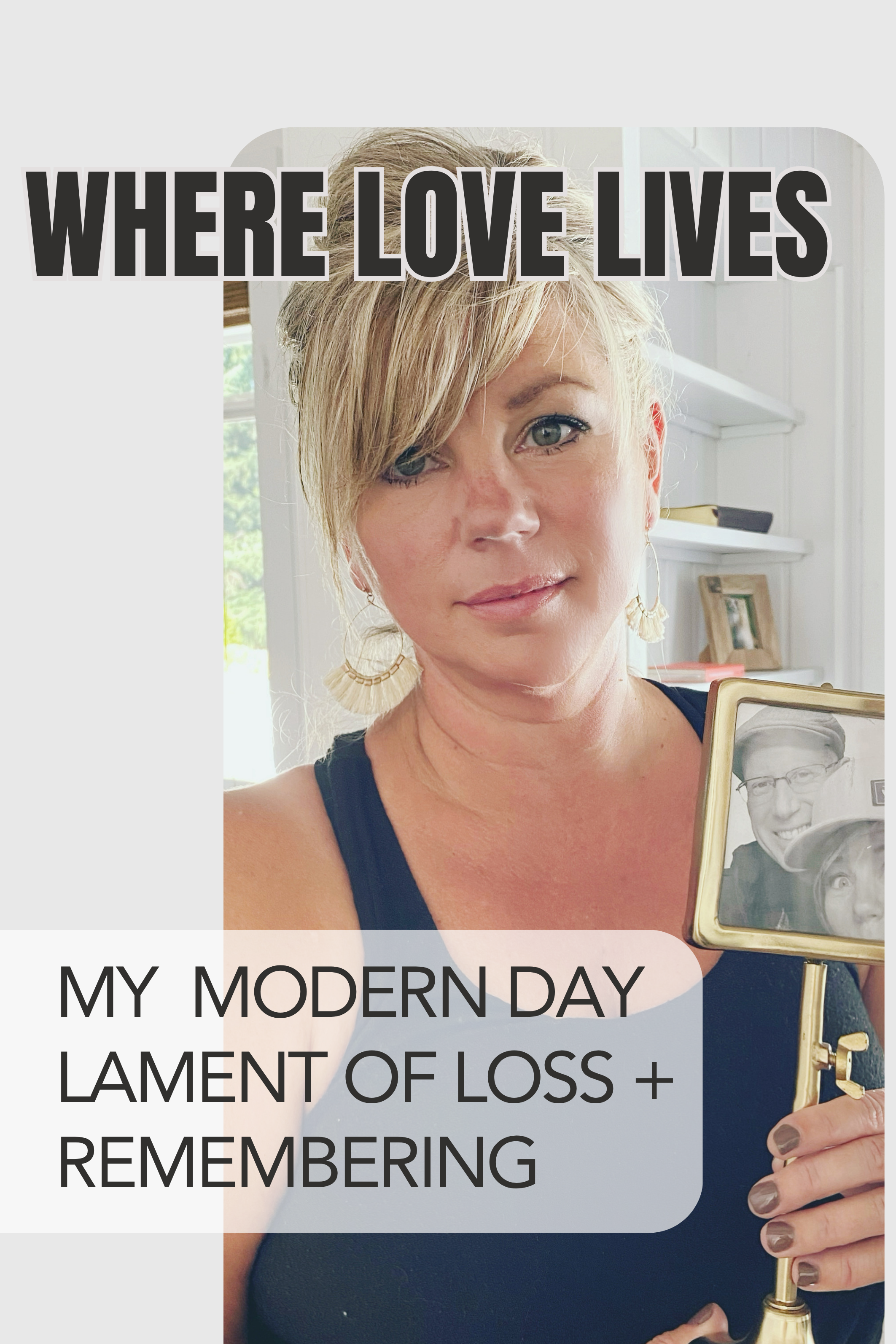
Where Love Still Lives
A Modern Lament
Before You Read
I want you to lean in and listen to this…
Love does not die when we lose our person. And in ways our person doesn’t either.
I know that may sound a bit strange, but let’s think about it for a minute. We do indeed stop physically living beside the person we love, but in our mind and hearts we keep living with them — through memory, story, laughter, faith, and the everyday ways their love still lingers in who we are and the memories that have shaped us.
When I first started writing again, I wasn’t trying to create something beautiful. I was trying to release, process, leak out my emotions…. survive basically.
There were feelings that words couldn’t hold and silence that felt unbearable. Writing became a way to speak when my heart didn’t have language yet — to honor what was, to name what still was, and to remember that love hadn’t gone anywhere.
And even now, as I write this, six years later… I am still finding a beautiful release in the writing of raw words — today it was the unfolding of my modern lament.
It’s honest. It’s messy. It’s love and loss braided together.
And I share it with you because maybe you’ve felt that too — the strange ache of loving someone who isn’t here, yet still is. Here we go:
Where Love Still Lives
My modern lament of loss + remembering.
One minute we were laughing, planning out our days. And then suddenly we were sitting behind a curtain — so many questions, so many tests.
It was the beginning of pain I’d never known before.
Pain that reached down deep and rearranged everything.
Fourteen months. They flew by and dragged on all at once. Hope. Fear. Love. Torment. All tangled up together, twisting through the same days.
The deepest kind of love I’ve ever felt —
the kind that digs into your soul,
planting memories you don’t want to forget,
even as you’re watching the leaves of your family tree start to wither.
I wanted to hold on tight — to every moment, every breath, every look. Because I knew the end of us was coming. And the knowing stole my air.
There were days I had to run outside,
just to see the world going on,
but at the same time everything in me wanted it to stop.
Because I knew the faster it moved the sooner we would end.
I would try to imagine myself walking without you —
living on without you
but I couldn’t. The thought of it made my body shut down.
Sometimes I’d start gasping for air, other times dry heaving — that’s the ugly, beautiful truth of love that hurts. It takes your breath even when you’re trying to hold it.
And yet, here I am today. Still breathing. Still holding you — maybe tighter than ever. You’re here, just differently now. Not beside me, but within me. You live in my heart and in my mind, woven into the threads of my being.
People say time heals,
but I don’t believe that.
Time doesn’t erase love —
Neither does death —
it just changes its form.
The ache stays,
but so does the gift of you.
The way you loved.
The way you gave.
The way you taught me what it means to stay.
I still see you.
I see you in the way our children love others,
serve others,
show kindness and generosity.
You taught them that.
I still hear you —
in their laughter,
their morals,
their love for Jesus.
I remember how you looked right at them —
steady eyes, a firm resolve —
and you asked,
“Do actions speak louder than words?”
They answered,
and you smiled.
You said,
“That’s right… love well.”
And that’s what we’re here still trying to do. To love well. To live like you did — with faith, with courage, with kindness.
Your life mattered.
And your love carries on.
We hold it dear.
In the same space as the ache of missing you.
Love still lives here.
Right here.
Inside all that remains.
Why This Matters
I think we forget sometimes that grief is love — still living, still reaching, still remembering.
Writing a lament like this doesn’t make the pain go away, but it gives it somewhere to rest — to be valued, and recognized.
It allows us to see that even in the cracks of heartbreak, love keeps growing.
If you’ve lost someone you love, try writing your own Modern Lament.
It doesn’t have to sound poetic or polished — it just needs to sound like you.
It’s a sacred way to tell your story of loss, to remember what you are still carrying, and to let God meet you in the ache.

You can start with a few simple questions:
What did I go through?
Where do I still feel their presence in my life today?
What did they give me that I still carry?
What do I want to remember about the love we shared?
Write it for you.
Not to move on, but to move with.
Because love doesn’t end when life does — it carries on, with us.
And sometimes, naming that love is how we keep breathing.
Write Your Own Modern Lament
A Guided Reflection for the Ones Still Learning to Live with the Love That Remains
If something in you stirred while reading this — that ache, that knowing — maybe it’s time to put words to your own story.
To honor your journey and let your heart speak what it’s been carrying.
This is how we begin to live with love in a new way — not gone, but woven in.
I’ve created a gentle guide to help you start.
Inside, you’ll find prompts and simple steps to help you hold what still hurts while remembering what still matters.
→ Get the free guide: Write Your Own Modern Lament
(It will arrive in your inbox with other valuable information about walking with grief.)
Because love still lives here — even in the midst of the ache.
And sometimes the most sacred thing we can do
is let it speak.

Widow, Grief & Brain Fog: How Deep Rest Activates Your Brain’s Cleaning Crew
When you’re grieving, sleep doesn’t come easy. Your brain’s “cleaning crew” - the glymphatic system - can’t do its work, leaving you foggy and exhausted. In this gentle guide, written for widows, discover how deep rest, hydration, natural care like essential oils, and small kindnesses can help your body and mind find rhythm again.

When Rest Feels impossible
There’s a kind of exhaustion that grief brings.
The kind that doesn’t seem to lift with a nap or the evenings of attempted sleep.
It sits behind your eyes, in your chest, in the middle of your thoughts - heavy, hazy, unrelenting.
If you’ve lost your person, you know this kind of tired. It’s not just sadness. It’s bone-deep survival.
Even when your body is still, your brain is working overtime - trying to make sense of loss, trying to keep you safe.
And when that happens, your brain’s healing rhythm—the glymphatic system—has a hard time doing its job.
⸻
The Brain’s Cleaning Crew: What the Glymphatic System Does
While you get good quality sleep, your brain runs a built-in detox system called the glymphatic system.
Think of it as your brain’s night-shift janitor.
During deep, slow-wave sleep, your brain floods with cerebrospinal fluid, which washes away toxins, stress chemicals, and waste proteins from the day.
This process clears what you’ve felt, processed, and held—all the invisible buildup of living, thinking, and surviving.
When this system flows well, you wake clearer, lighter, steadier.
But when sleep is disrupted—as it so often is in grief—the glymphatic “cleaning crew” can’t clock in. The result is what many widows describe as grief fog: forgetfulness, emotional swings, irritability, and a feeling that your brain just can’t keep up.
⸻
Why Grief Interrupts Deep Sleep
Grief activates your stress response system—the part of your brain wired to protect you from danger.
Your body releases cortisol, your heart rate rises, and your brain stays on alert, even when you want rest.
It’s common to fall asleep from sheer exhaustion and wake again in the dark hours with your mind racing.
The very rest you need most becomes the hardest to find.
Without those deep, slow-wave cycles, your glymphatic system can’t finish its nightly cleanup—and your brain starts carrying yesterday’s emotional and physical waste into today.
⸻
Signs Your Brain’s Cleaning System Is Overloaded
• Foggy or sluggish thinking
• Forgetting what you were about to do
• Emotional swings that come out of nowhere
• Physical heaviness or pressure behind your eyes
• Difficulty concentrating or praying
• Feeling “off” but not sure why
Of course, losing your spouse brings many of these issues.
Your brain is burdened with double-duty, empty spaces, new tasks, etc. — and this all brings a state of overwhelm and spinning thoughts. But also, understanding that there is a physical detox process your sleep can offer you each night to help with these things can bring a real sense of hope.
Let’s talk about some tangible ways to help find deeper sleep in the midst of your grief…
⸻
How to Support Deep Rest (and Help Your Brain HeaL
You can’t force sleep—but you can help to create the space where rest becomes possible again.
1. Create calm before bed.
Turn off screens an hour before sleep. Blue light signals your brain that it’s still daytime and suppresses melatonin. Choose quiet light, soft music, or a gentle prayer rhythm instead.
2. Hydrate often.
Your glymphatic system depends on fluid to flow. Keep a glass of water nearby throughout the day and sip before bed.
3. Try the “widow’s brain dump.”
Write down what’s looping in your mind—memories, to-dos, what-ifs, fears. You’re telling your brain: You don’t have to hold it all tonight.
4. Ease physical tension.
Apply a warm compress or massage your shoulders, neck, or jaw with a drop of lavender or copaiba blended in a carrier oil. These help calm the nervous system and release stored tension.
5. Avoid overstimulation.
Skip caffeine after 2 p.m. and heavy meals or alcohol within two hours of sleep. Both interrupt the deep-sleep cycles where brain cleansing happens.
6. Position for flow.
If comfortable, sleep on your side (especially the left)—studies show this helps cerebrospinal fluid drain more efficiently through the brain’s channels.
These practices can really help to ground your body and open it up to better sleep.
⸻
Natural Tools That Help the Body Remember Rest
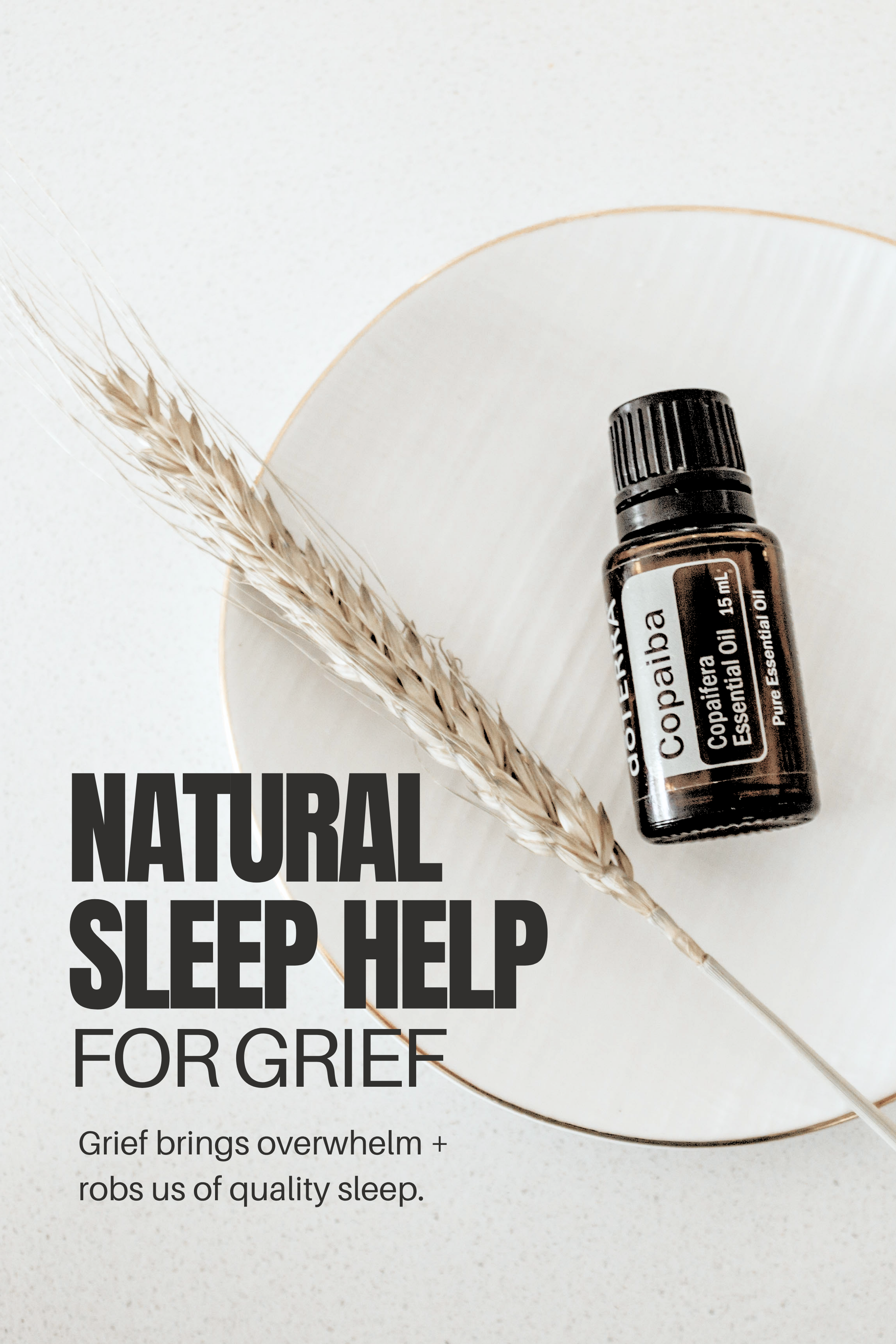
Essential oils are a natural option that can help create the calm conditions your body and mind depend on: deep breathing, slower heart rate, and relaxed muscles.
To Release Tension
• Lavender – eases muscle tightness and lowers stress hormones.
• Copaiba – supports calm through the body’s endocannabinoid system.
• Frankincense – deepens breathing and grounds emotional overwhelm.
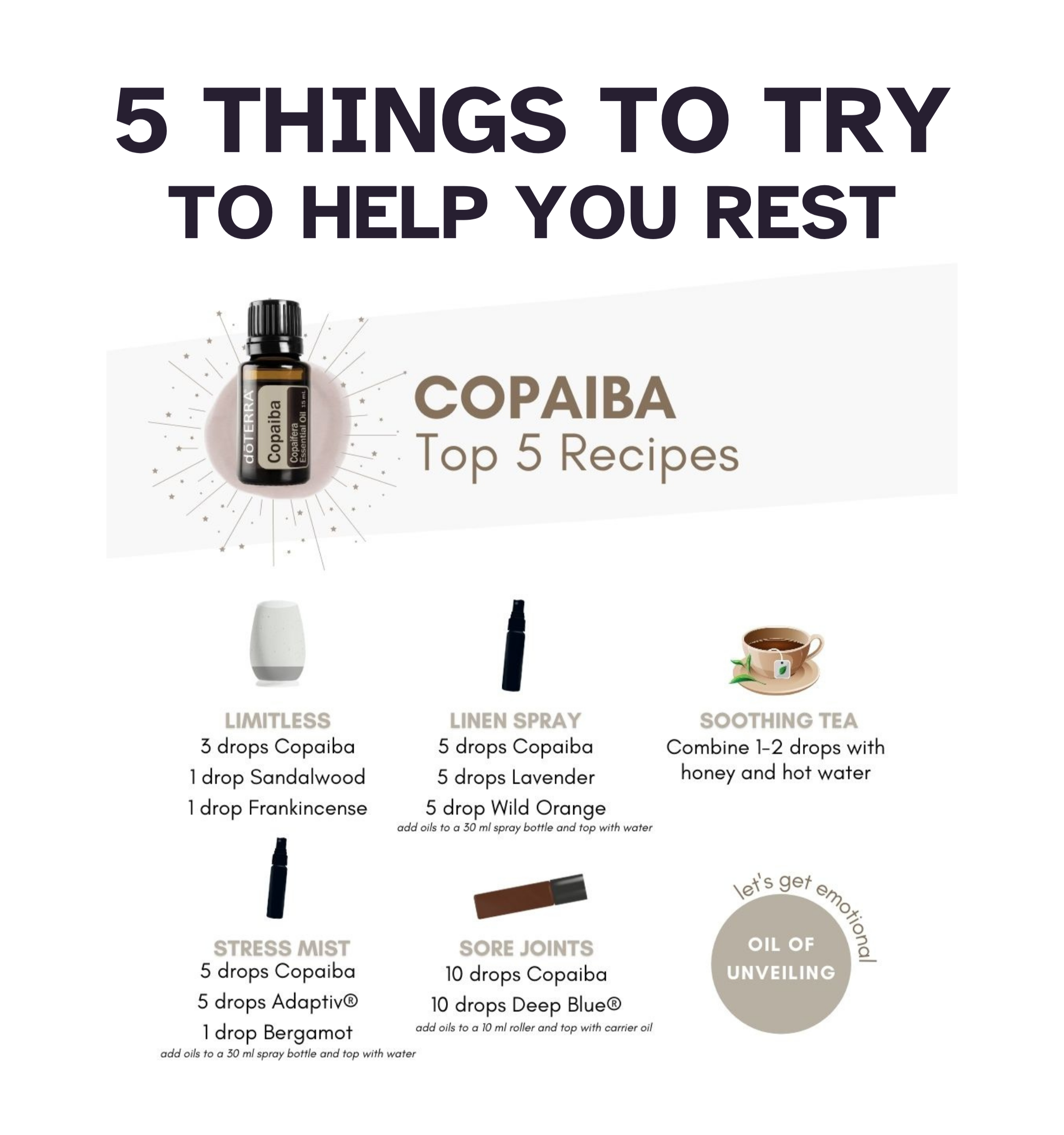
To Promote Deep Rest
Cedarwood – encourages melatonin release and stability.
Roman Chamomile – quiets restless thoughts.
Vetiver – deeply grounding; helps your body drop into restorative sleep.
How to use:
Diffuse 3–5 drops of lavender, cedarwood, or chamomile 30 minutes before bed, or add a few drops to an evening bath with Epsom salt.
For topical use, dilute 2 drops of any combination in a teaspoon of carrier oil and apply to neck, shoulders, or over the heart.
For my very favorite set and diffuser, you can grab it here: Essential oil kit + diffuser
If you would like to learn more about how essential oils work with emotions, click here
⸻
Things to Avoid (and Why They Matter)
Caffeine after 2 p.m. — Blocks adenosine, delaying sleep onset for up to 10 hours.
Blue-light screens — Suppress melatonin and keep your brain alert.
Alcohol close to bed — Fragments sleep and prevents deep, restorative cycles.
Late-night sugar or heavy meals — Keep your body metabolically active when it needs to be still.
⸻
Circle of Support TIPS: Helping a Widow FIND Rest
If you love someone who’s grieving, you can’t fix her sleepless nights—but you can help to make rest more possible.
Lighten her load. Do one small thing she doesn’t have energy for—laundry, groceries, or a meal.
Create a “rest basket.” Add herbal tea, a journal, magnesium lotion, a soft blanket, and a note: “Please care for your heart, mind and body by allowing yourself time to rest.”
Check in with curiosity, not pressure. Ask, “What’s been spinning in your thoughts?” or “What’s weighing heavier tonight?” Allowing space for your friend to release some of the mental tension she is experiencing.
Be still with her. Quiet companionship lowers stress hormones and helps her body feel safe enough to rest.
Pray peace. Short, simple prayers like “God, hold her mind steady while You keep watch” can calm both body and spirit.
⸻
A Gentle Reminder for the Weary
If your mind feels overhwelmed and your emotions keep spinning, it doesn’t mean you’re failing.
It means your brain has been working without rest, doing its best to carry what feels un-carryable.
Your body is wise.
Your brain knows how to restore you when given space and kindness.
Even here, my body is still working to protect me.
Even here, my brain remembers how to restore me.
Even here, I am being held.



3 uncommon truths about stored grief.
Grief is more than thoughts, or feelings, it is a full body experience. It impacts our entire bodies. Which means what we do with our grief can make a tremendous difference. Whether we stuff it, store it, reserve it, repress it - or we allow it, feel it, work through it, honor it, finding our unique ways to move it and respect it the way it deserves.
Recently I heard that the loss of a love is like a rock. We can stick it in our pocket, we can hold it up to view it, we can stick it in a bag we are carrying, we can hold it to our heart… but we are carrying it from now until forever. HOW we carry it can change, where we carry it can change, how we and when we choose to. look at it may change. But the weight and size of it won’t diminish. But, in carrying that rock, we will develop new techniques, muscles, and balance. We will learn, we will adapt.
One of the best parts of walking through grief with someone is finding the beautifully bittersweet ways of allowing, honoring and working through the hard spaces of adjusting to this added weight of grief. This is where we find hope.
Hope is not sticking a bandaid of words or ideas over pain, it is in hearing, feeling, sharing, and processing stories, memories, and current grief impact on our hearts, minds, bodies and relationships. Grief isn’t about letting go but about carrying it with. That idea has some discomfort that comes with because who wants to feel loss forever, and it brings a sense of relief with permission to be vulnerably raw about the truth of what you are feeling today.
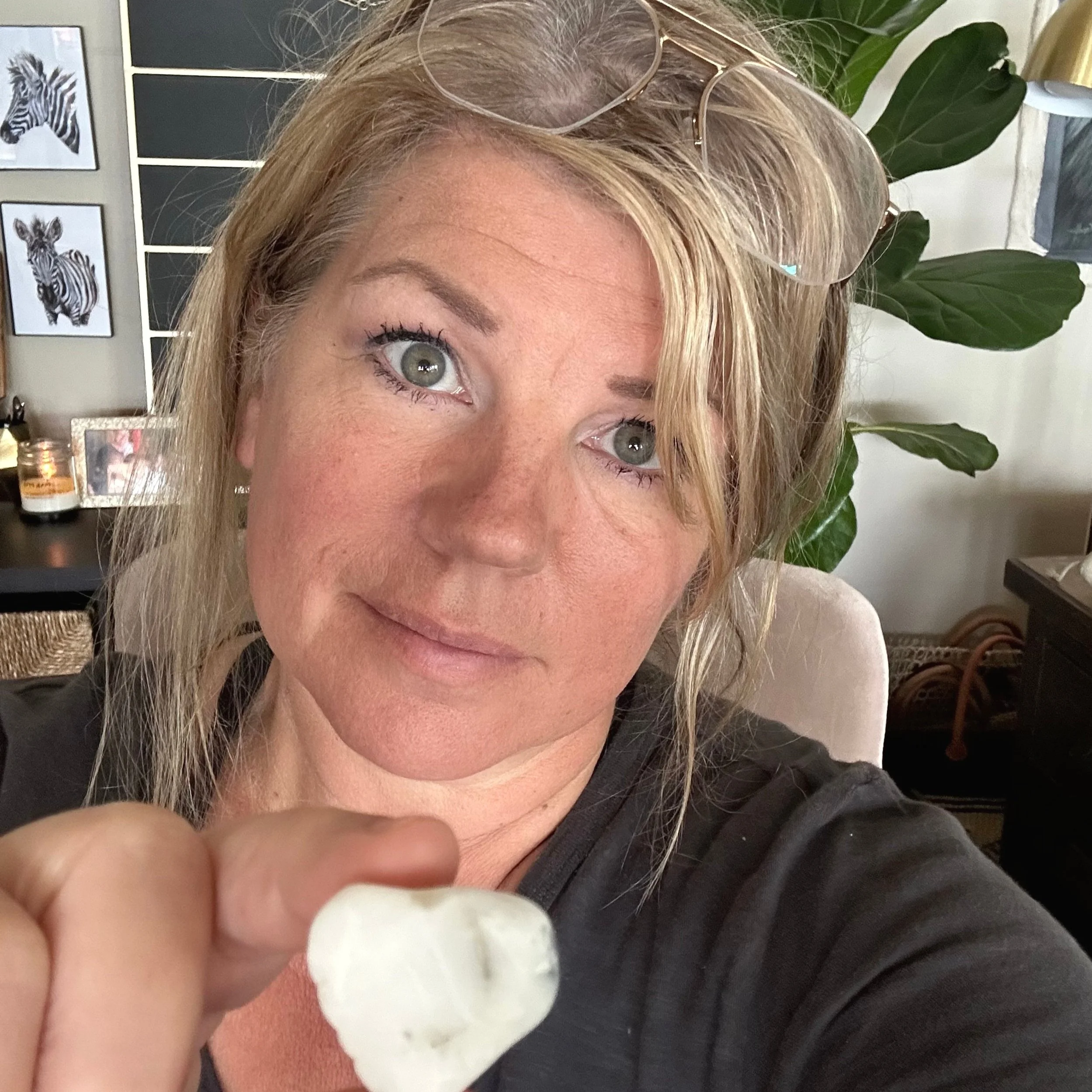
I’m rooting for you in the space of this. I’m praying God is meeting you right where you are, showing you it is okay, all the feelings. He is not disappointed, or distant, he is ever-presently in this with you. Just as you are. And maybe the hardest part is feeling that or believing it. But I pray you do. I pray you know that you know, that God has never walked away, or taken his eyes off of you, he has been holding you all along. All you need to do right now is find ways to rest in that truth.
If you would like to book an appointment with me to discover some ways to move through your grief, you can set up a consult appointment here.

5 Surprising Symptoms from Held Grief
Dealing with grief isn't just about “feeling” sad—it can also show up in surprising physical ways that you might not be aware of. Often in grief we are just trying to get by, pushing on and/or sometimes repressing. These common responses may work short-term but long term can create some additional setbacks for us. Here are five unexpected physical symptoms that can come from grief unexpressed (or unmoved):
Aching All Over: Ever noticed your body feels achy or sore for no apparent reason? Grief can actually make your muscles tense up, causing back pain, headaches, or even joint stiffness.
Tummy Troubles: When you're grieving, it's not uncommon to experience digestive issues like stomachaches, bloating, or changes in your bathroom routine. Stress really does a number on your gut!
Catch Every Cold: Grief can weaken your immune system, leaving you more vulnerable to catching every bug that goes around. So, if you find yourself constantly under the weather, it might be more than just bad luck.
Heart Flutter: Have you ever felt your heart racing or fluttering unexpectedly? Emotional stress from grief can cause palpitations or irregular heartbeats that can feel pretty unsettling.
Sleep Struggles: Whether it's trouble falling asleep or feeling exhausted all the time, grief can seriously mess with your sleep patterns. It's like your mind and body are working overtime, making it hard to get the rest you need.

Recognizing these physical signs of grief is important because it shows how much our emotions can impact our bodies. Taking care of yourself during tough times isn't just about talking it out—it's also about being kind to your body, getting support from friends and family, and maybe even seeking help from a professional if you need it. Remember, it's okay to feel all these things, and taking care of yourself is always the right move.
If you feel stuck or are looking to find new ways to process your grief, you can sign up for a 30 min. consult with me here.

Do you trust me? The repeated question that changed my grief journey.
The other day I was sitting rather mindlessly allowing my thoughts to move with ease bouncing back and forth through memories and my current day situation. This relaxed state of mind practice seems quite natural to most but non-existent to many who are grieving. To allow the grieving mind to drift is to consider the thought of physically jumping into a boxing ring. You don’t know what thought will take that swing that leads to a knockout. The fact I was free to relax my thinking and coast back to review the lived-out chapters showed I was making progress.
As I sat there seeing the chapters of life without Dave flipping before me God revealed a piece of His beautiful offering that had helped provide me with shelter in the midst of the pelting grief storm. It was a question that was posed to me over, and over, and over, and over, and over, again and again. A question of weighted words that wouldn’t make space for a flippant answer. It was a question pointed like a magnifying scope looking straight to the core of my entire being.
“Do you trust me?” -Jesus
You see, my body and mind took many different forms in my grief: from laid out flat sleeping to a curled-up sobbing fetal position. From arms waving in the air praising, to my head resting on my Bible soaking. From scuffing my feet through the red soil of Africa serving, to lounging at my friend’s cabin receiving. From voraciously studying and creating in order to provide my way, to trying to relax just enough to find calm in my racing heart with solitude and rest.
I was scared in the face of the unknown and I was doing everything I knew I should to find my way and make my path straight. Until I couldn’t, and then I would run like crazy and try to escape the pain. Until I realized the pain follows you because it is part of you, it dwells within. There is no escaping it. So, back to creating. Back to learning. Back to doing. Back to… you name it.
BUT THROUGHOUT.
This is the part that matters most. This is the plumbline of truth that keeps our foundation level when we build upon it. That repeated question asked throughout the mayhem of my stability-building attempts: “Do YOU trust ME?” -Jesus?
The question would often catch me off-guard, stop me in my tracks, and take my heaving breath away from me. My vision would narrow in on Him, eyes locking, nerves settling, worries decreasing, fear subsiding, grounding found. “YES.” “I trust YOU, Jesus.”
“I question this world and the people in it, myself included. But I trust you yesterday, today, and forever.” Honestly. In the wake of the storms, my answer is still YES. More now than ever. and with that trust, the next step comes a little easier. Jesus is indeed trustworthy even in the unknown and in the broken.
I could write five chapters on this but for now, I want to keep it to this next point: When the unknown of your future gets loud or feels shakey, there is a way through it. This pattern of a repeated trust statement changes things. The key is that you have to believe it. You have to envision a very real Jesus holding your hand, scooping you up, leading the way, walking alongside, gazing into your eyes, and seeing the very core of your being. He knows you, He loves you, and every single thing about you matters to Him. He has a plan for you and it is a really good one.
Not despite the broken but because of it.
Do you trust Him?

The impact of grief on the Nervous System + how to heal it.
Grief can take a real toll on your mind, brain and body. It rolls in with all of it’s heaviness and the questioning sets in with it.
Will I be able to handle this? It feels like too much. How long will this last? Am I going to make it? I still feel broken.
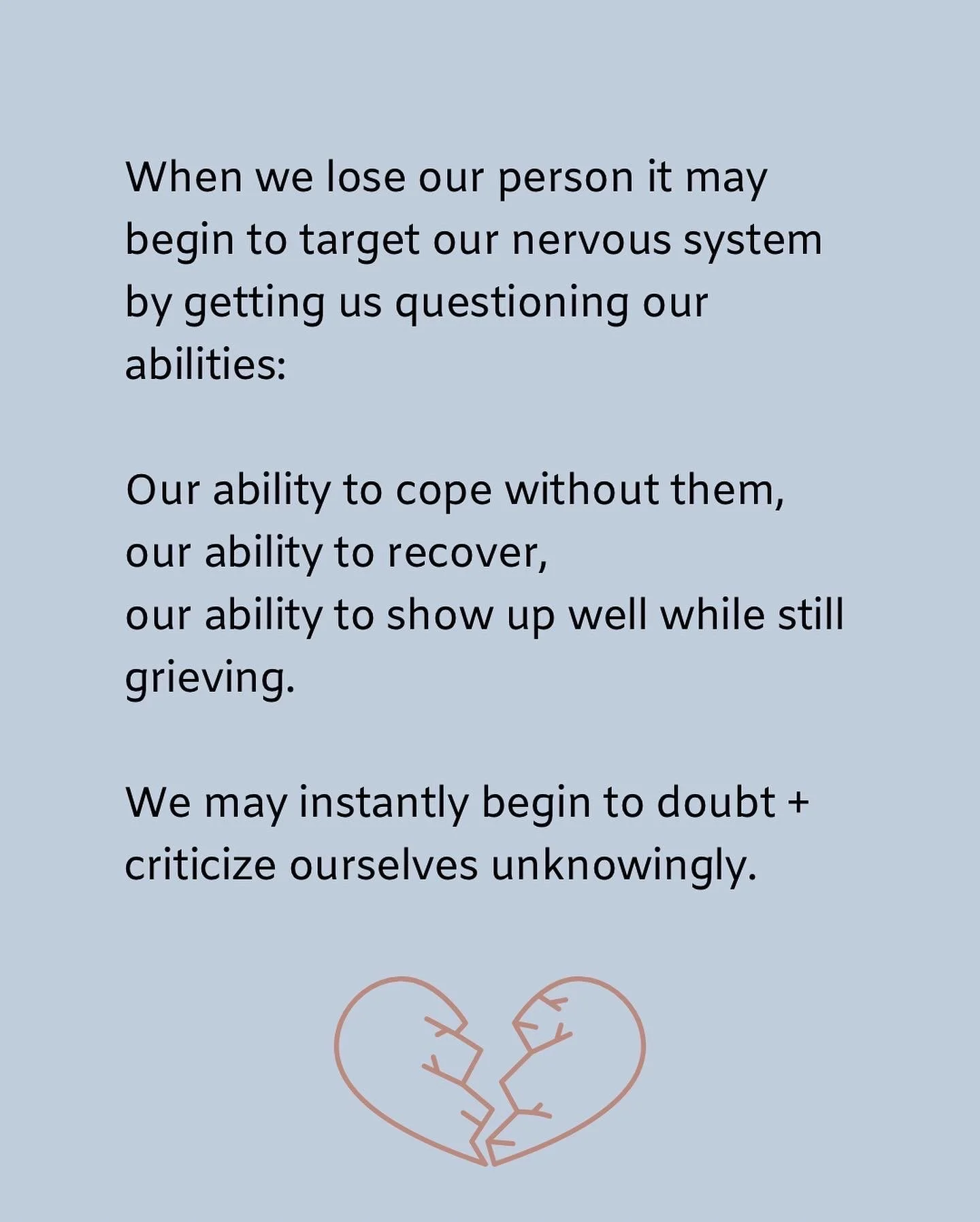
And we get questions from people, we feel the opinions of others (whether they be real or not), we listen to the experts, and we compare.
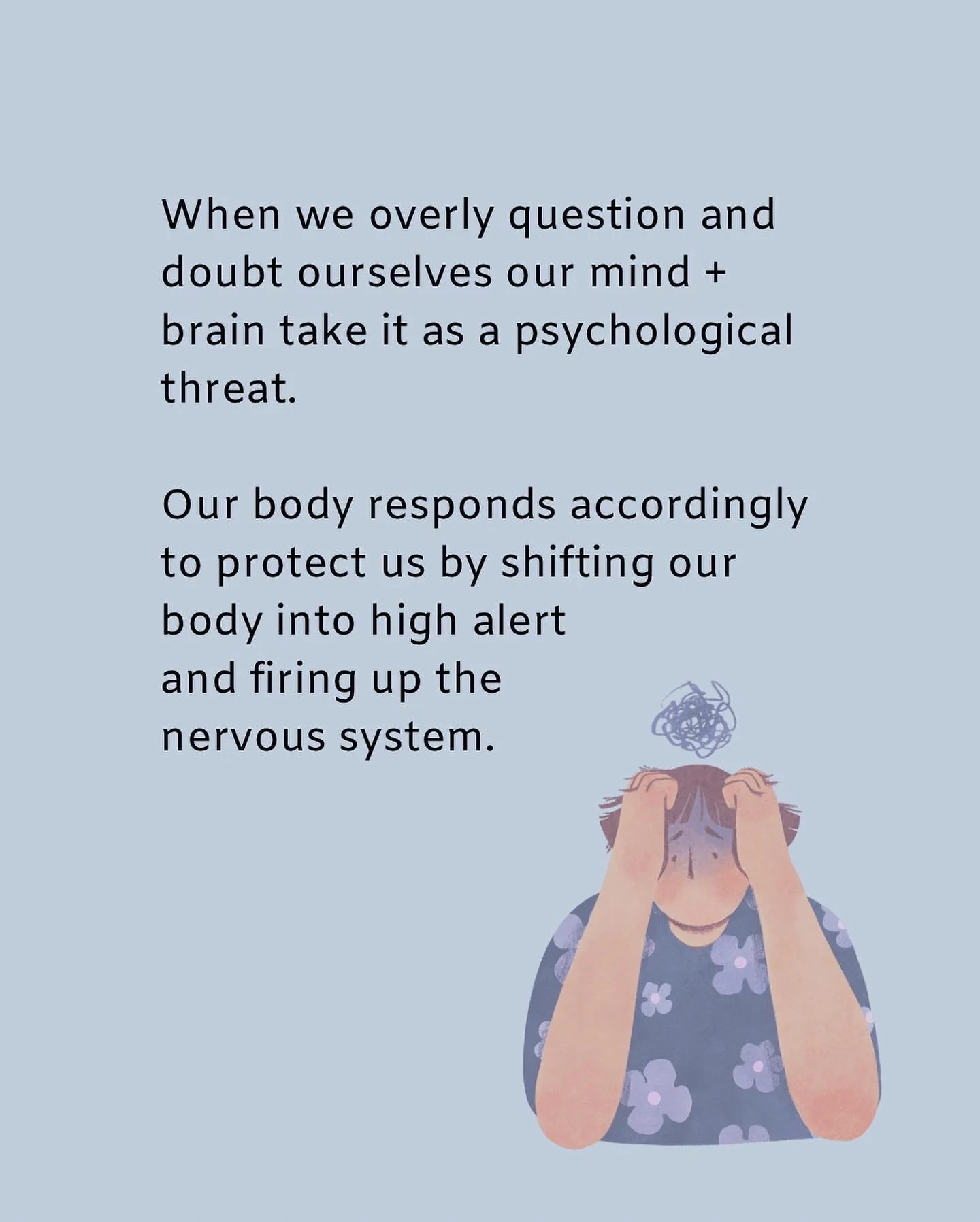
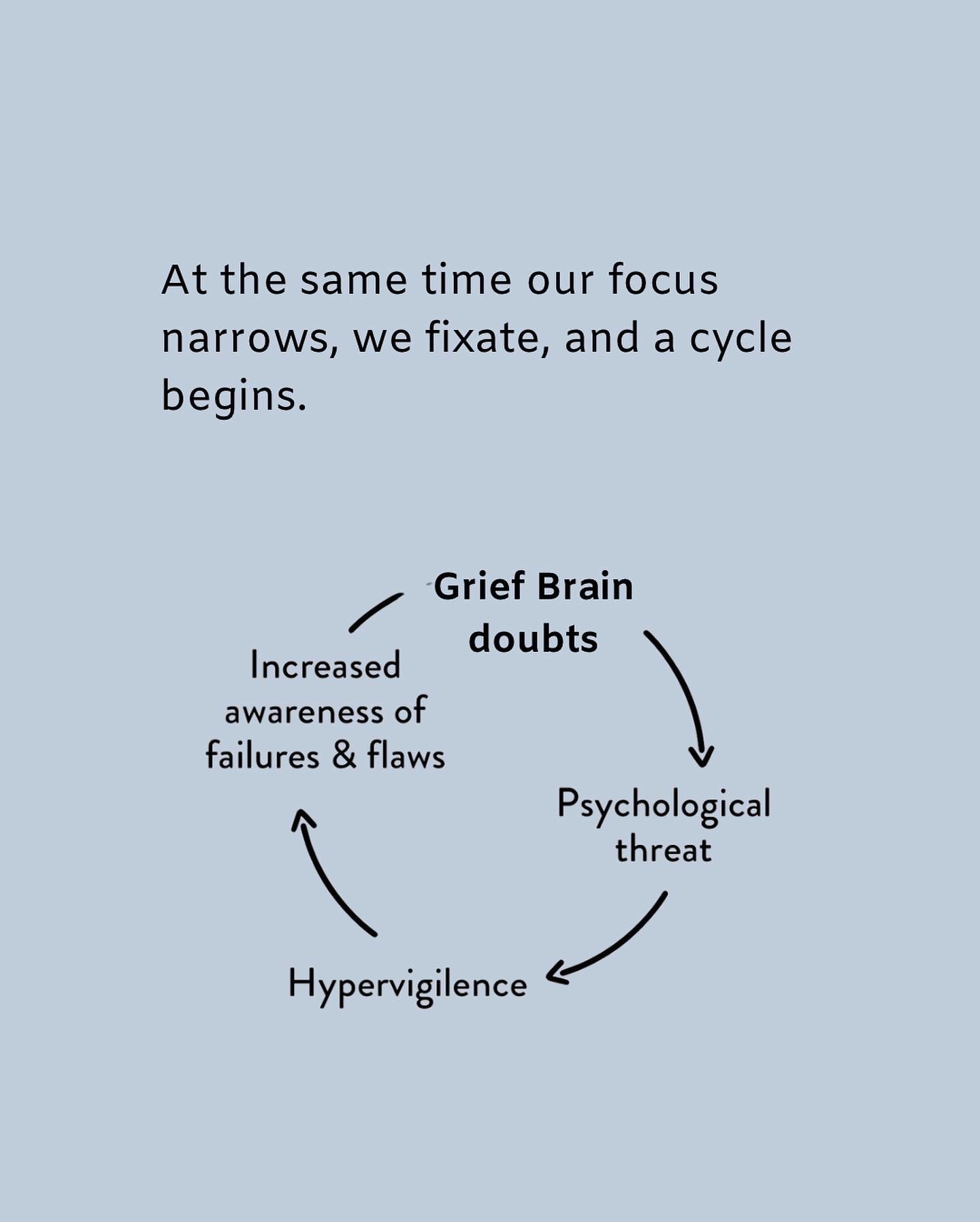
The more restless we get, the more inferior we feel in our grief, the more our mind sees and experiences a psychological threat. And next thing we know our focus narrows, our brain spins, our body responds with all of stress alarms and signals. We become even more tired.
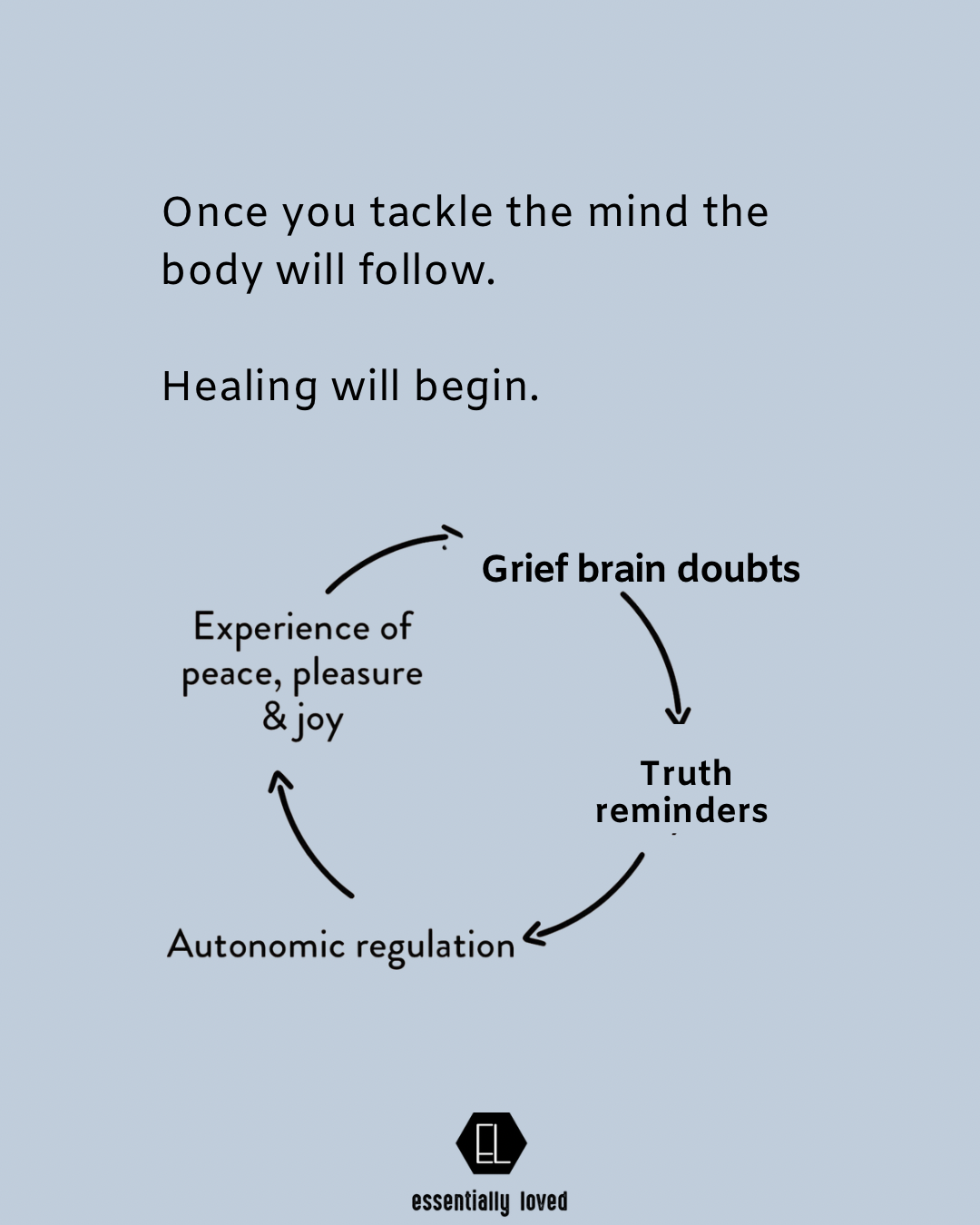
The great news is that we can interrupt this tiresome toxic pattern by following the following steps:

As we recognize our patterns and establish new ways to rewire them we begin to heal. The first step starts with our thoughts, our beliefs about ourselves.
We have to hijack the cycle by inserting new, positive, thoughts that speak the truth about who God created us to be and who He says He is for us. We may be running a bit short on strength but the One will always be more than enough.
Identify the root of the negative thought
Develop a statement of truth that offsets that thought. Know it well.
Whenever your pattern presents itself spout out that statement and break the pattern. And praise God for helping you to recognize it and do something about it.
The truth is that God has designed you beautifully. He has created you for a purpose knowing full well every single chapter of your story and how they would equip you for the next. He understands the weariness of it all and He is right there with you in the thick of it.
Trust me, I know this is not an easy journey. But it is worth doing well, you are worth the investment of proper grief healing. This is just the beginning but it is a good one…


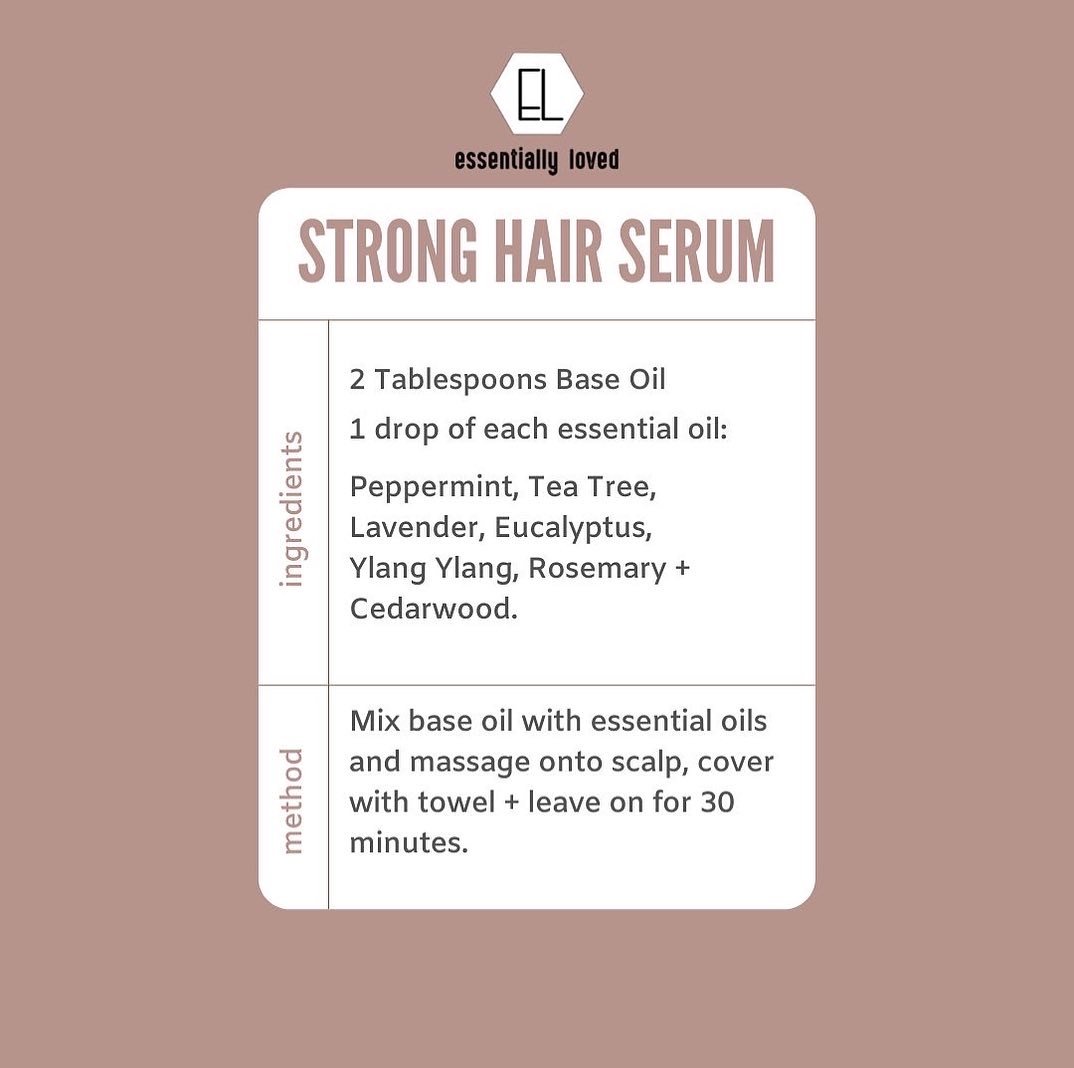
Strong follicle scalp serum : hair loss + thinning

Hair loss often occurs as a result of stress in the mind or body and sometimes all it needs is a little boost of love and nourishment with essential oils to boost those hair follicles back into high gear.
Natural ingredients are important, you certainly don’t want to stick toxic chemicals near your brain. However, it also matters which natural products you choose in order to receive maximum benefits.
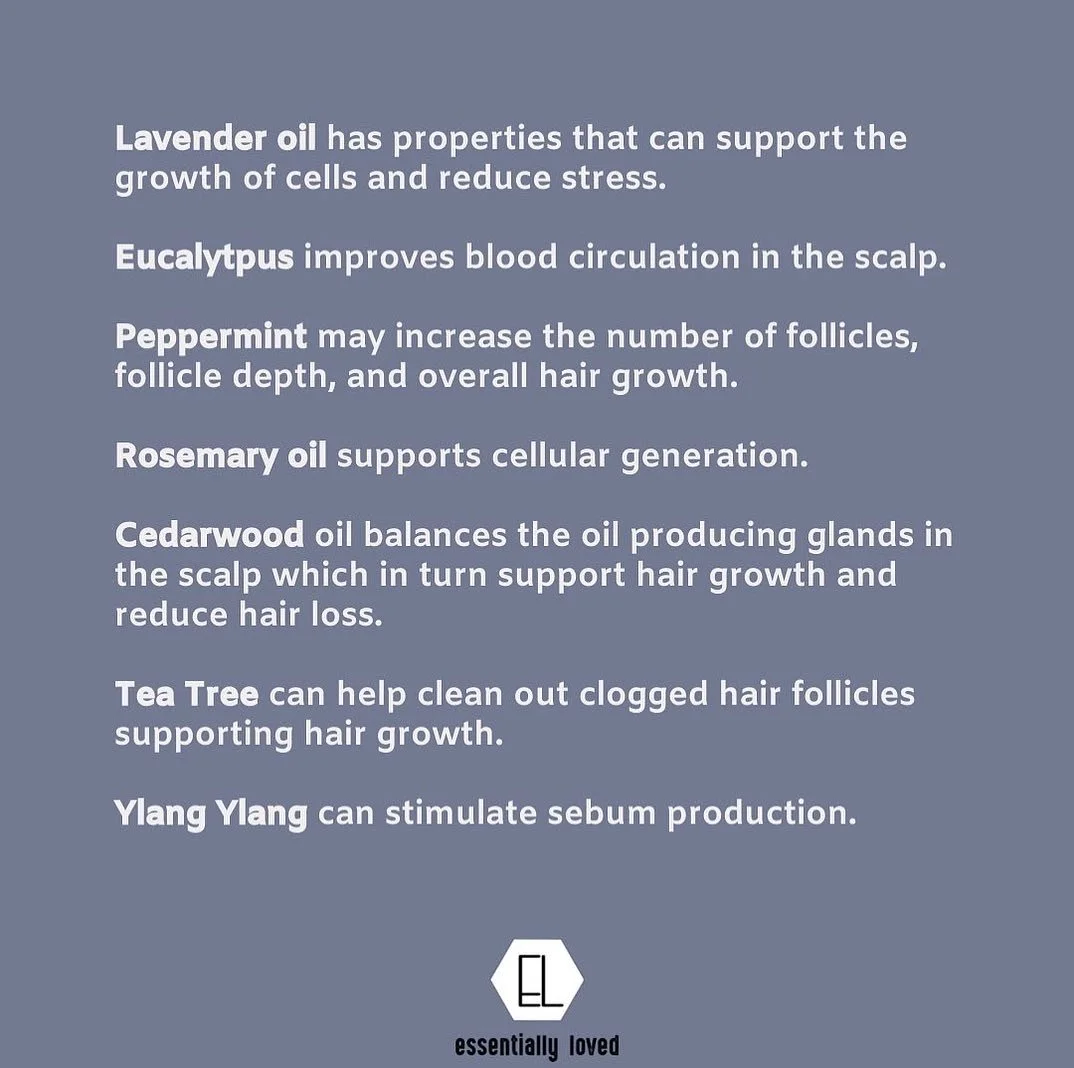
essential oils are a no brained, by now we are pretty certain you know the difference between real, pure and potent essential oils and the brands off the grocery store shelves. If not, check out our page on the essentials.
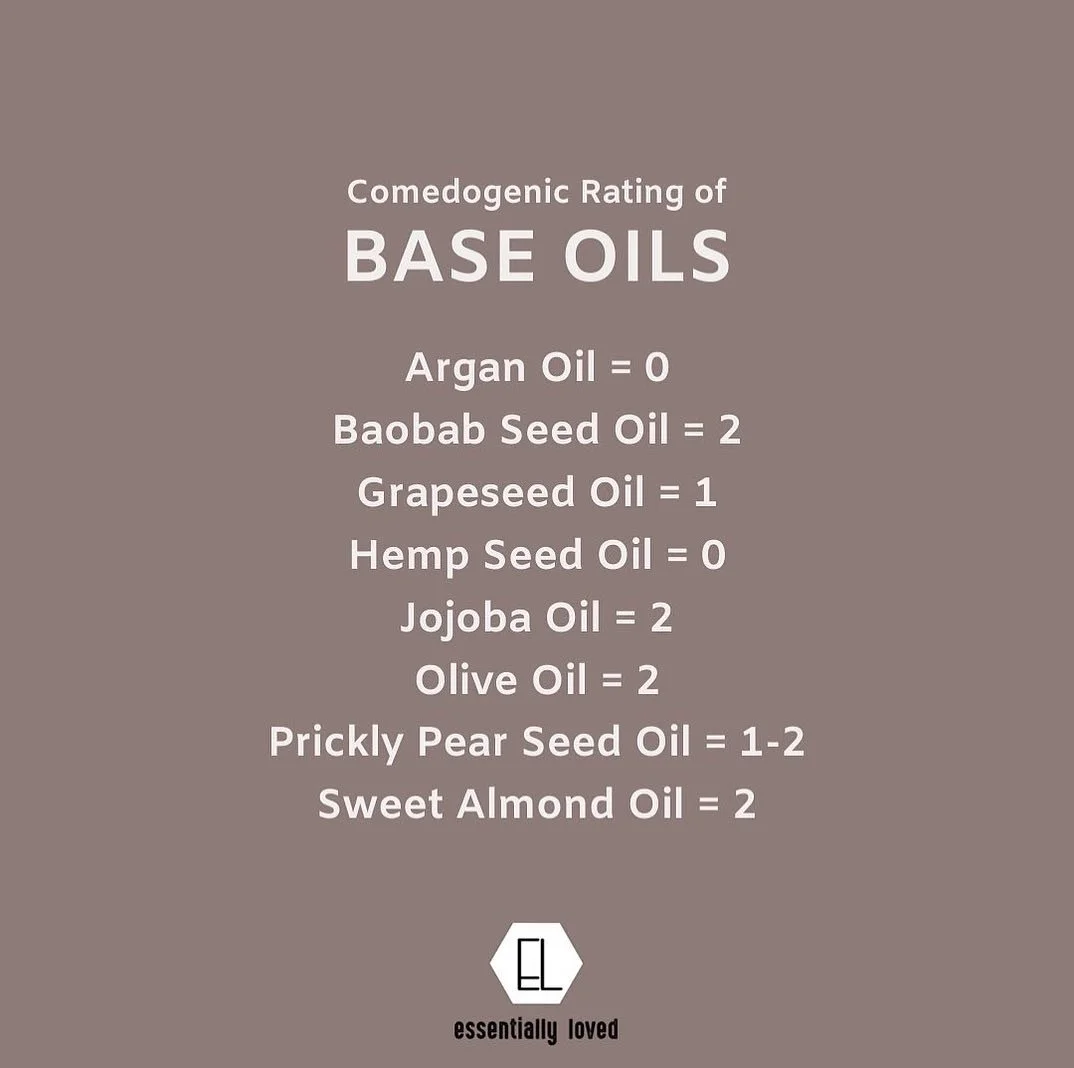
but the carrier oils you use have different qualities as well. Like the comedogenic rating of each oil which tells you it’s absorption rate, basically. We have chosen some of our favorite noncomedogenic oils to use in this serum paired with really potent essential oils that each have specific reasons for being included in this serum.
The image in the photo above shows the real results of our friend who used the serum over a period of 2+ weeks and washed her hair every five days. Every scalp is different, there are a ton of factors that play into reasons behind hair loss. No matter what, this will help boost your hair follicles back toward better health. You will also receive a ton of other health benefits.
This serum is going to do wonders. Even if you don’t struggle with hair thinning or loss, this will boost the health and growth of your hair. We suggest using this once a week on a regular basis.

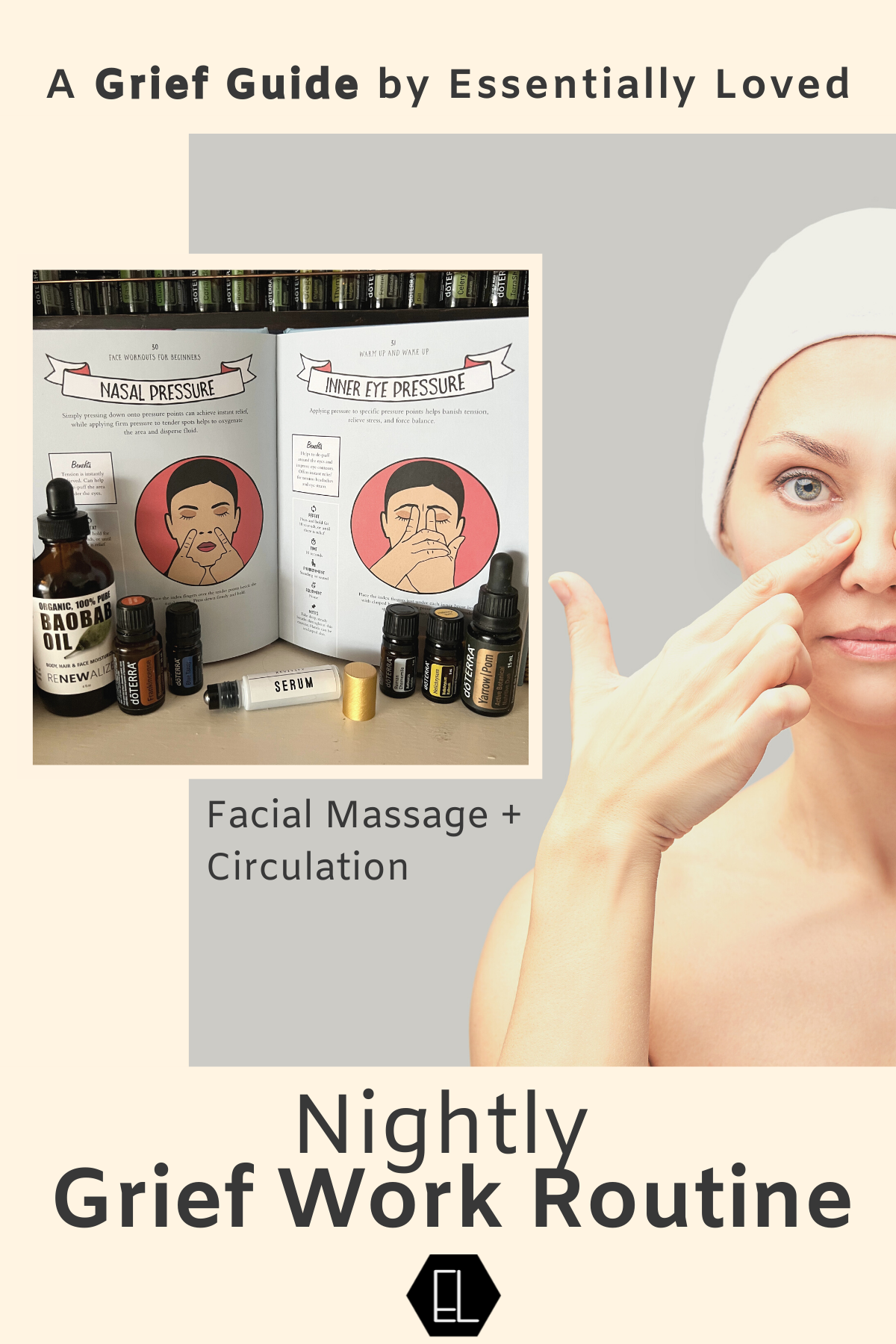
Grief Serum Recipe: a simple + kind nightly routine towards healing.

Grief is sneaky.
Grief is heavy.
Grief is exhausting.
Grief can deplete us to a place where we barely recognize ourselves.
And here is the thing…
Sometimes it wears us down to a level that not only impacts our state of mind but our bodies and potentially our belief systems as well. We may end up believing we don’t have anything in us to pull out of the pit we are currently in. That is a flat-out LIE though… even in the depths of grief, we can still continue to take steps towards healing.
That is what this post is all about. Having a super simple tool on hand that feels darn good, is relaxing, and helps you take steps towards healing.
I have found at the end of the day, during the time that pillow talk would typically happen, I needed a way to care for myself and remind myself I was going to be okay. Somehow, my evening process with this simple technique was not only caring for me but it also helped me to remember I was wanting to show up better and stronger for my future.
Note: You aren’t limited to using it at night, these tools and techniques can be used any time of day, whenever grief overwhelm strikes. Many of the oils do assist
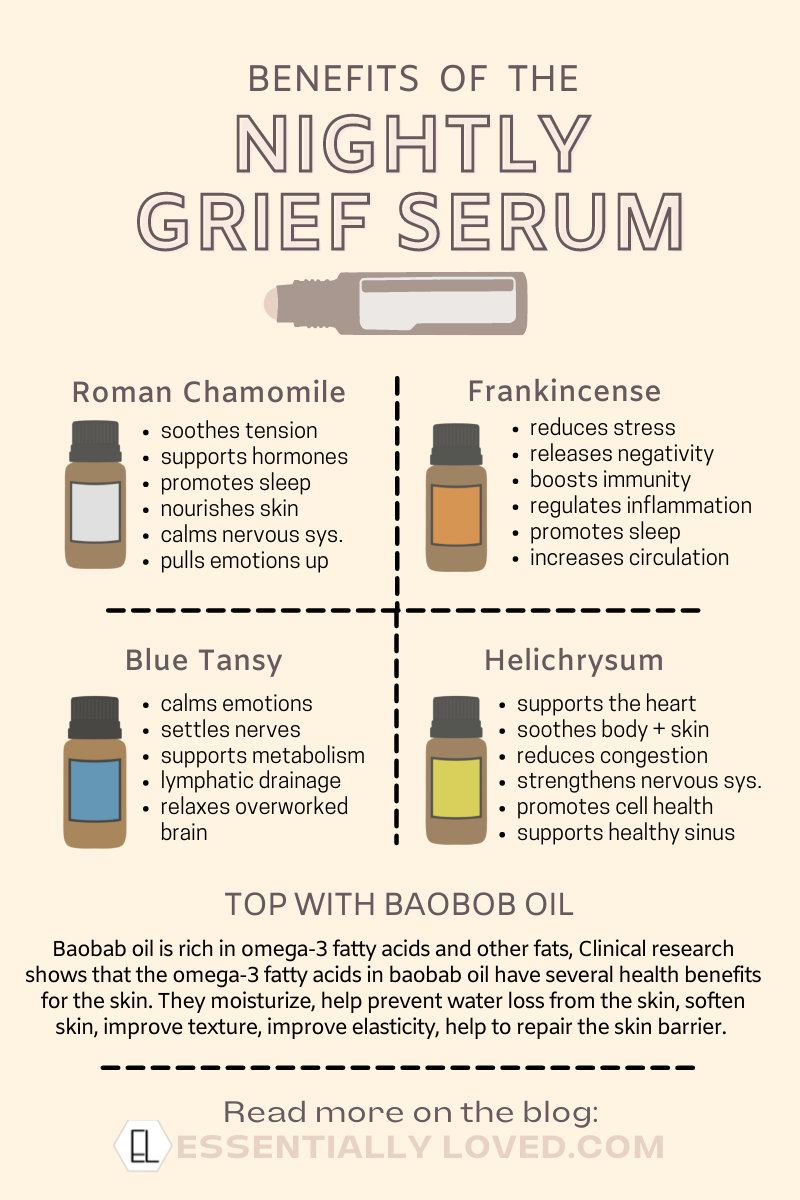
Let me tell you a little bit about why I chose these specific essential oils included in my Grief Serum Recipe. Each one provides essential oils that help provide emotional stability, promote movement throughout the mind + body, and are especially good for the skin. I am telling you these are grief-busting oils. They target the areas that grief has tried to make me out, and I am guessing you as well.
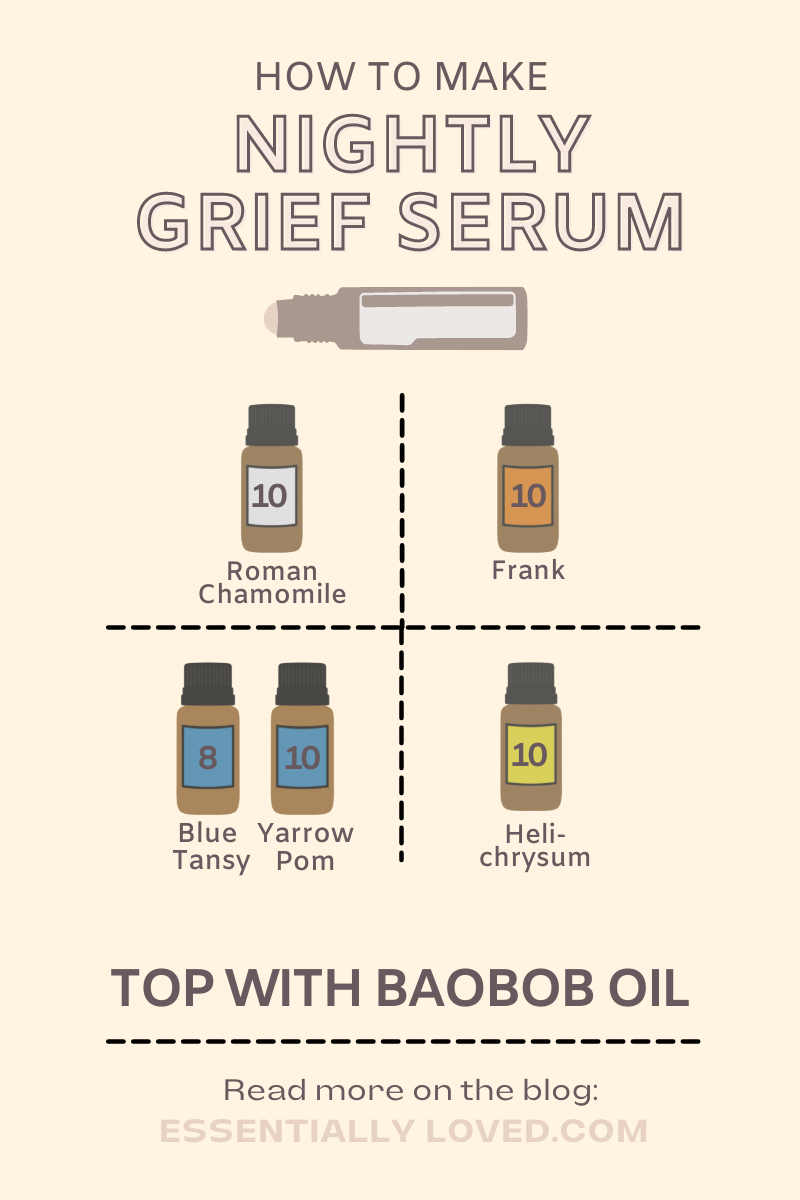
Look, I am not saying this is a “do this and BAM, IT’S INSTANTLY BETTER.” But what I am saying is it truly is a soothing technique that does a lot more than just feel good. Whether you feel them or not your body and mind are responding, and with consistent use there will be substantial change. And yes, how it does work for me instantly is in the reminder that I care about myself, I care about my future, I care about how I process my grief and move forward.
I have a graphic posted with the recipe, the number on each essential oil bottle is how many drops to put in the 10ml roller bottle, and then top with baobab oil. You can use another low-comedogenic oil but this one is an absolute favorite of mine.
Make sure you check out the graphics I have posted here to see more on the oil-specific benefits. And feel free to do your own check on each one, you will be BLOWN AWAY. So good!
If you don’t have these specific oils I have a link to grab them here: GRIEF SKINCARE OILS
This investment towards natural health is completely worth it and trust me, there are SO many additional uses for these beauties. (If you decide to grab these make sure and send me a note so I can get you my additional uses booklet.)
Items you will need:
Frankincense, Helichrysum, Blue Tansy + Roman Chamomile
10ml White / Gold Rollerbottles
There are a whole host of resources you can use to learn new techniques for self-administered face, foot, and body massage. The book I have listed above is really simple to follow along with and in the thick of heavy grief simple matters. I also have a lymphatic book that is spectacular: The Book of Lymph , if you want to get a little more specific in areas you are addressing. I use it for my sinus congestion. One more item I find really helpful is my Gua Sha stone, it is cool + smooth, I love the way it glides across my skin with the grief serum. These aren’t necessary, just for those who like to dive deep quickly. The essential oils + the baobab oil in a roller bottle, and your hands, are all you need to do the basic techniques in the beginner’s book.
I’d love to hear your feedback after trying this nightly for a few weeks. Let me know if you experience slightly deeper sleep, calmer nerves, or maybe a spark of nurture has lit for your weary soul.
Grief is hard work but it is SO worth it! I am praying this technique becomes a simple and effective tool for you to have in your grief toolbox.

5 tips for Gripping Hope through the Holidays: dealing with Grief + Emotions
She sat there, or was trying to. Even the task of sitting brought discomfort. It required stillness, and stillness allowed for ALL of the emotions to be felt. If only she could just keep doing, moving, planning….
but she was exhausted. All of her attempts at grief escape had left her depleted. Her mind + body needed rest but the physical and mental exhaust had only dropped the defensive walls down to the surface of the grief flood waters, they were brimming, beginning to splash over a little. How might she avoid the onrushing waves that were certain to crash in soon? Oh, please, not now….
She was tired. Too tired for the heavy weep of sorrow. Oh, so tired… but oh so unsettled. Letting the grief flow freely was still so difficult, so painful.
But so was avoiding it, just a different kind of steady pain that she barely recognized was happening. Recognized or not, it was crippling her. It was taking her out, little by little, day by day. She had to find a way…
And so she did, and she still does. Because grief is certain to come and go.
But now, most of the time, she knows when to welcome it, and how she can do that best.



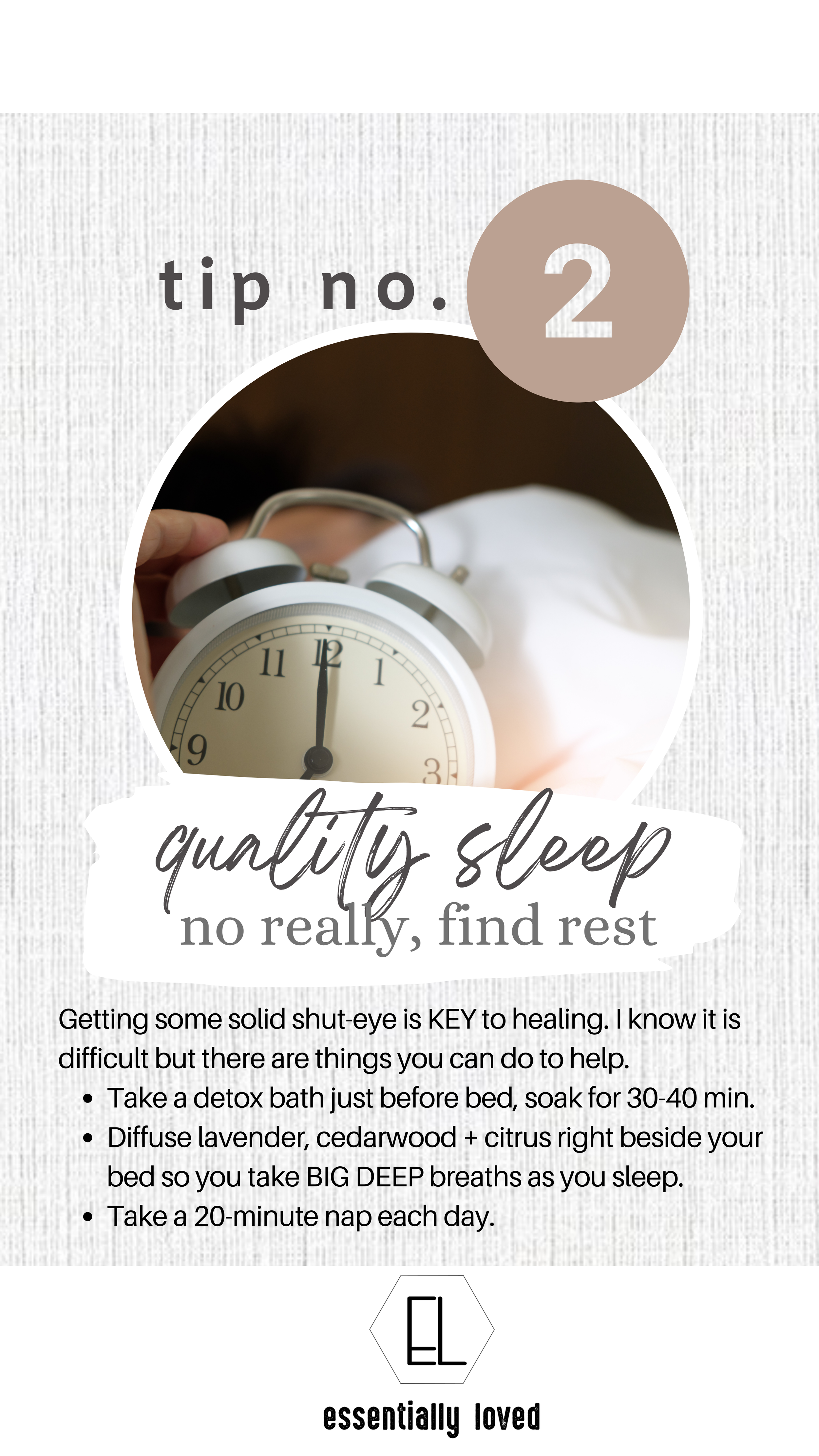

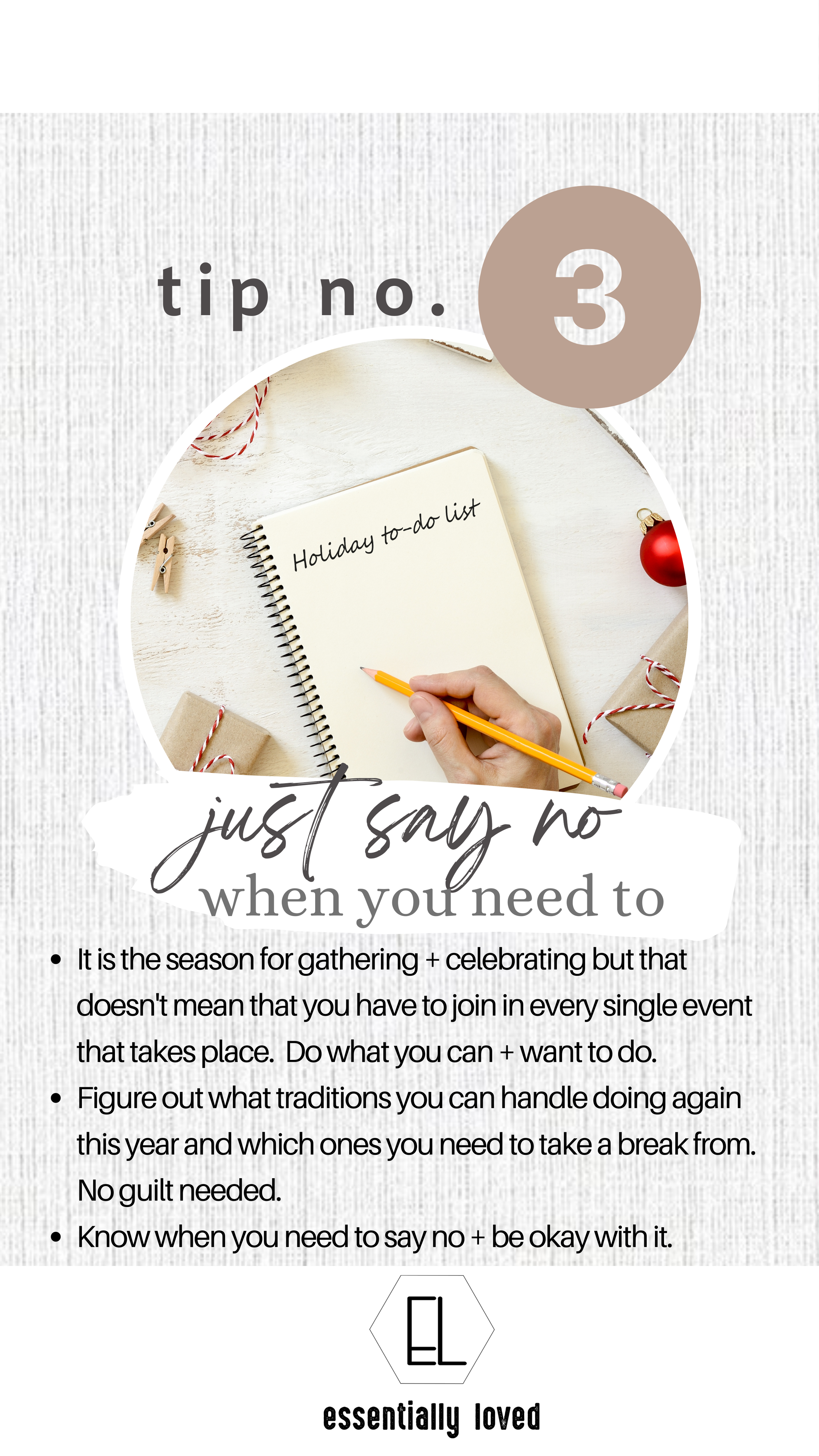
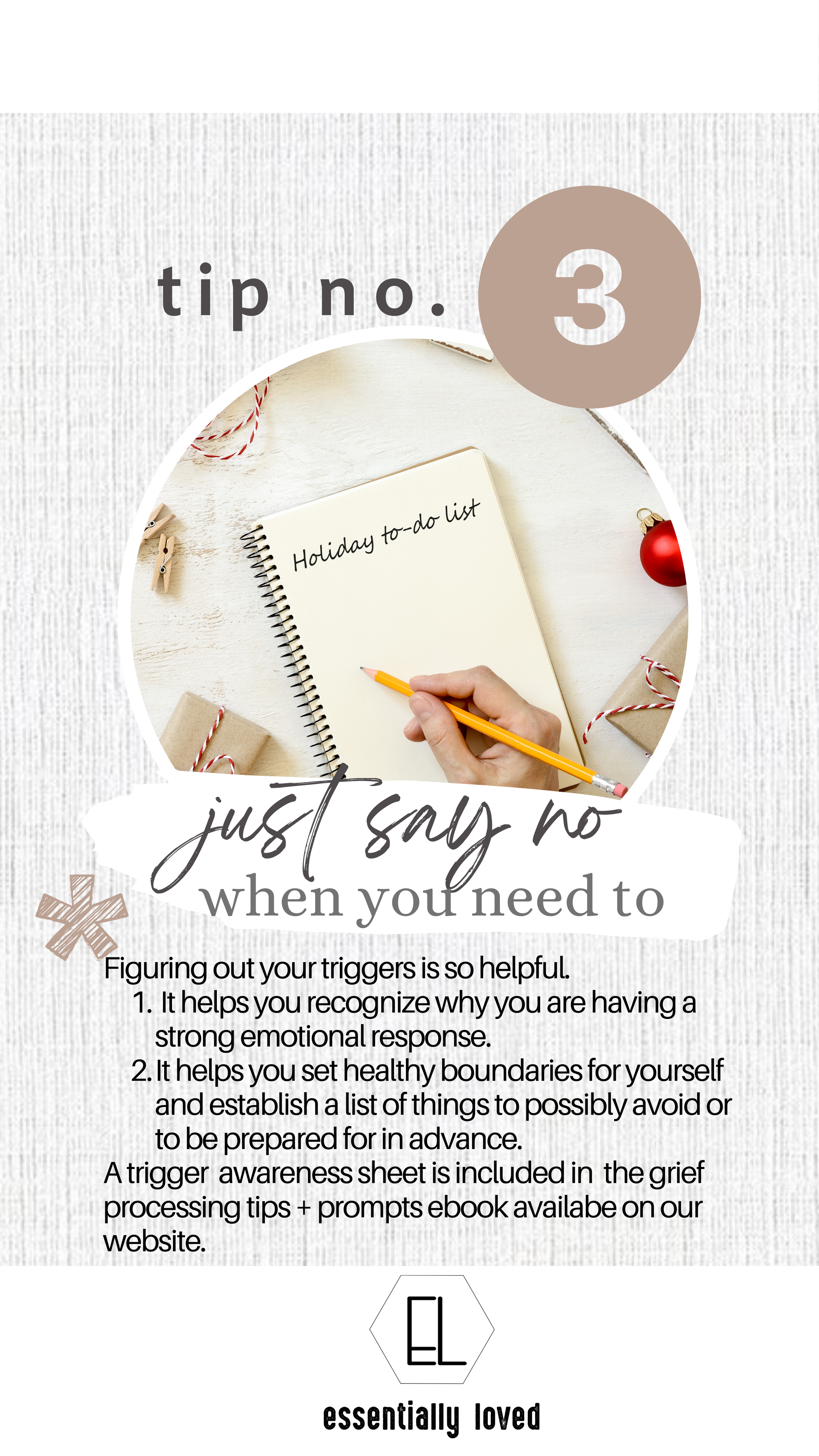




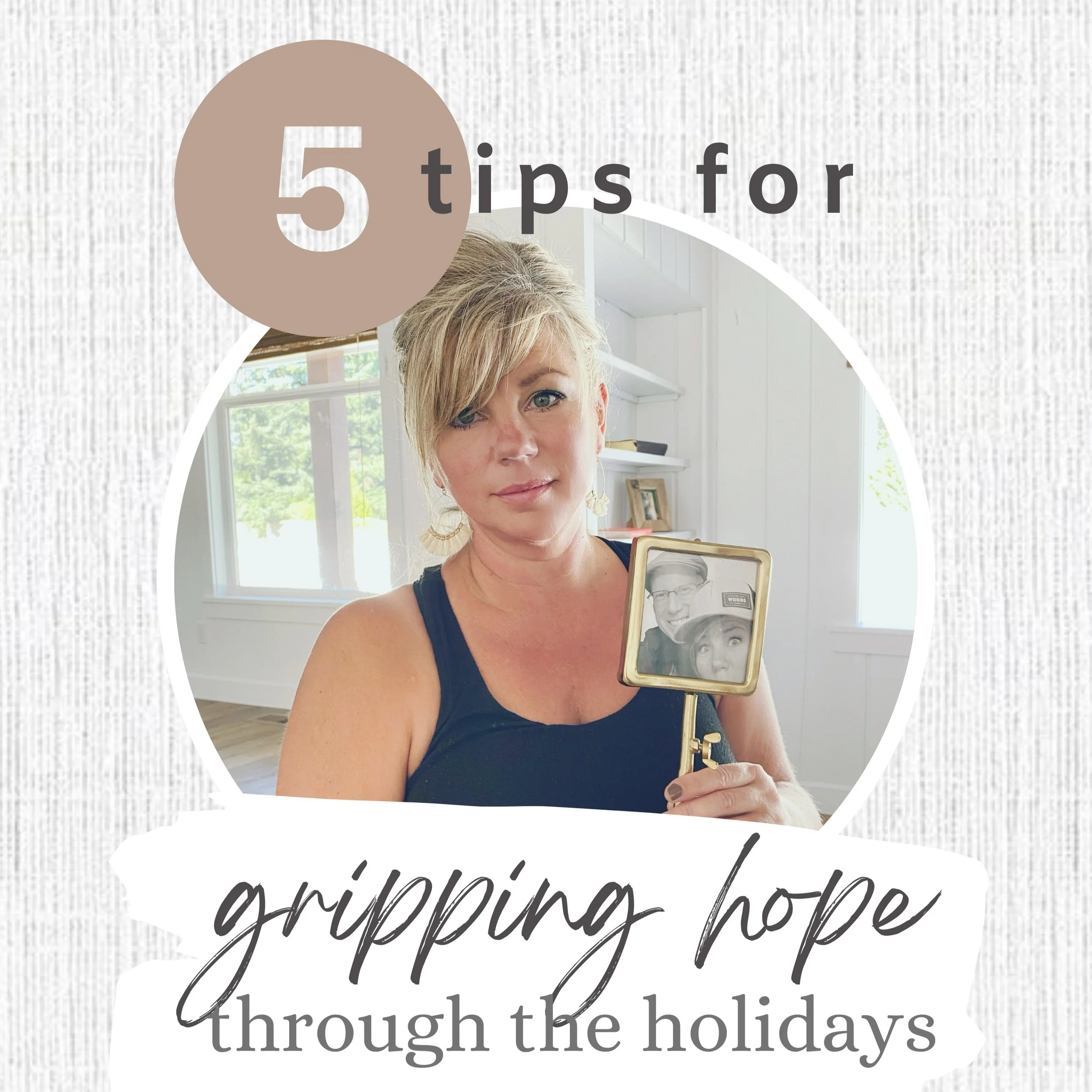
Let’s see if some of the tips in the slide show above help you. I tried to think of some of the biggest issues I have faced coping with grief during the holidays. It’s challenging, I won’t lie. But, we do have options that can help us manage better, help us find our way through it with a little more ease. It isn’t easy but it feels better after we do it. Honest!
I created a mini-book for you to help to move through the holidays. It has more detailed information and access to some of what I use regularly in my Grief Toolbox. You can click the link HERE for my HOPE for the Grieving Heart Mini-Book. It is only $6.95, up for a very limited time at just a fraction of the cost that my physical book will be. So grab it while you can!

Alcohol may calm your nerves + numb your pain? But it is also poison to your brain.
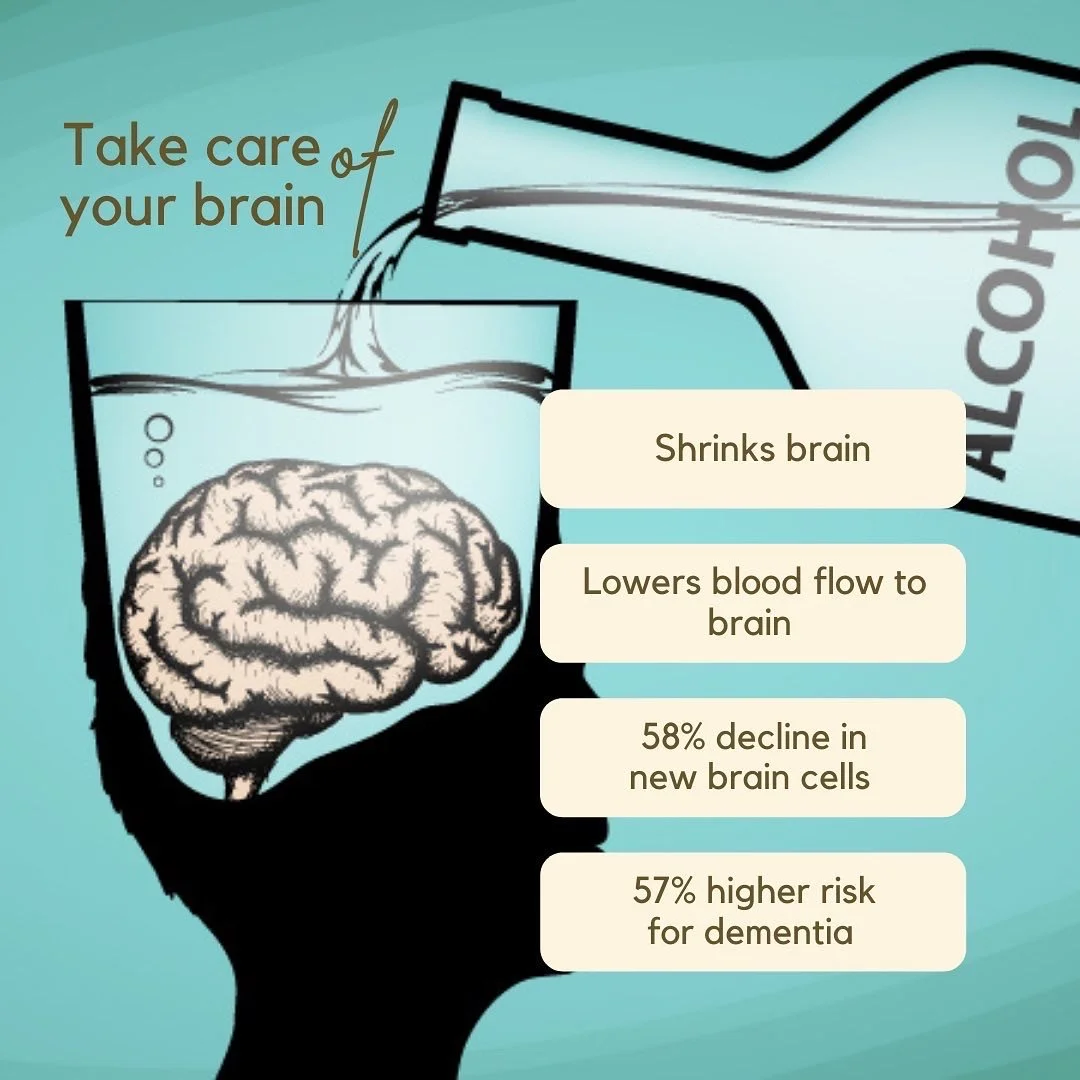
A little sip, turns into a glass or two. Relaxed, right? Seems like a good way to unwind, especially when the health industry has been saying it has quite a few benefits.
But wait, does it? And if so do they outweigh the harm?
And what does this have to do with the grief process anyway? A lot.
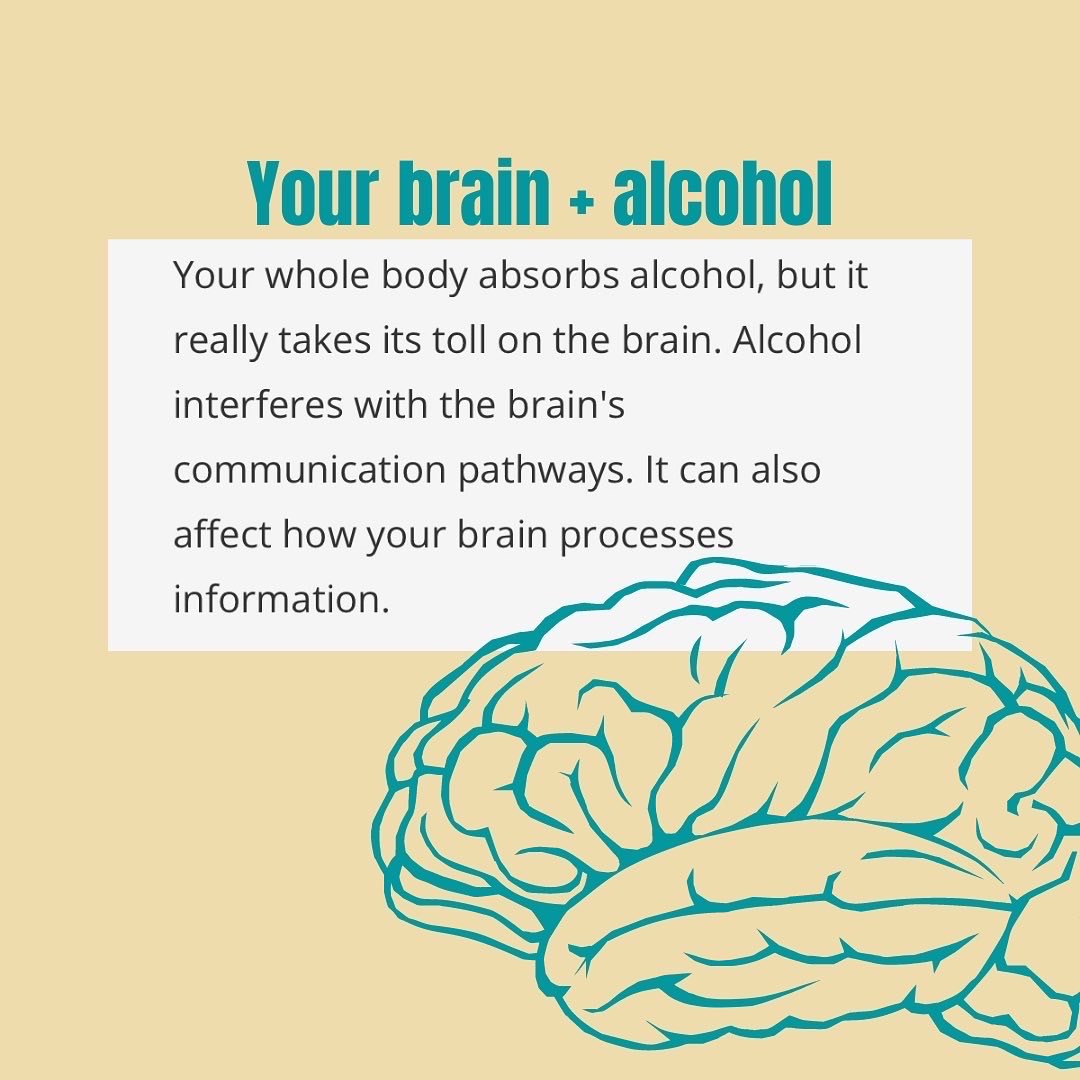
I think many consider wine/alcohol as a natural sedative. After Dave died I must have been brought wine with nearly every meal delivered from friends. And to be fair, there has been a handful of times I have sipped on a glass, but it is far from a normal routine for me. And this isn’t because of the idea of brain damage, because I didn’t have this info from Doctor Daniel Amen and his extensive research yet, but it was more about wanting to feel + be in reality. I knew the depth of my grief would require a deep altering to not feel it, and I just wasn’t willing to take the risks that come with that.
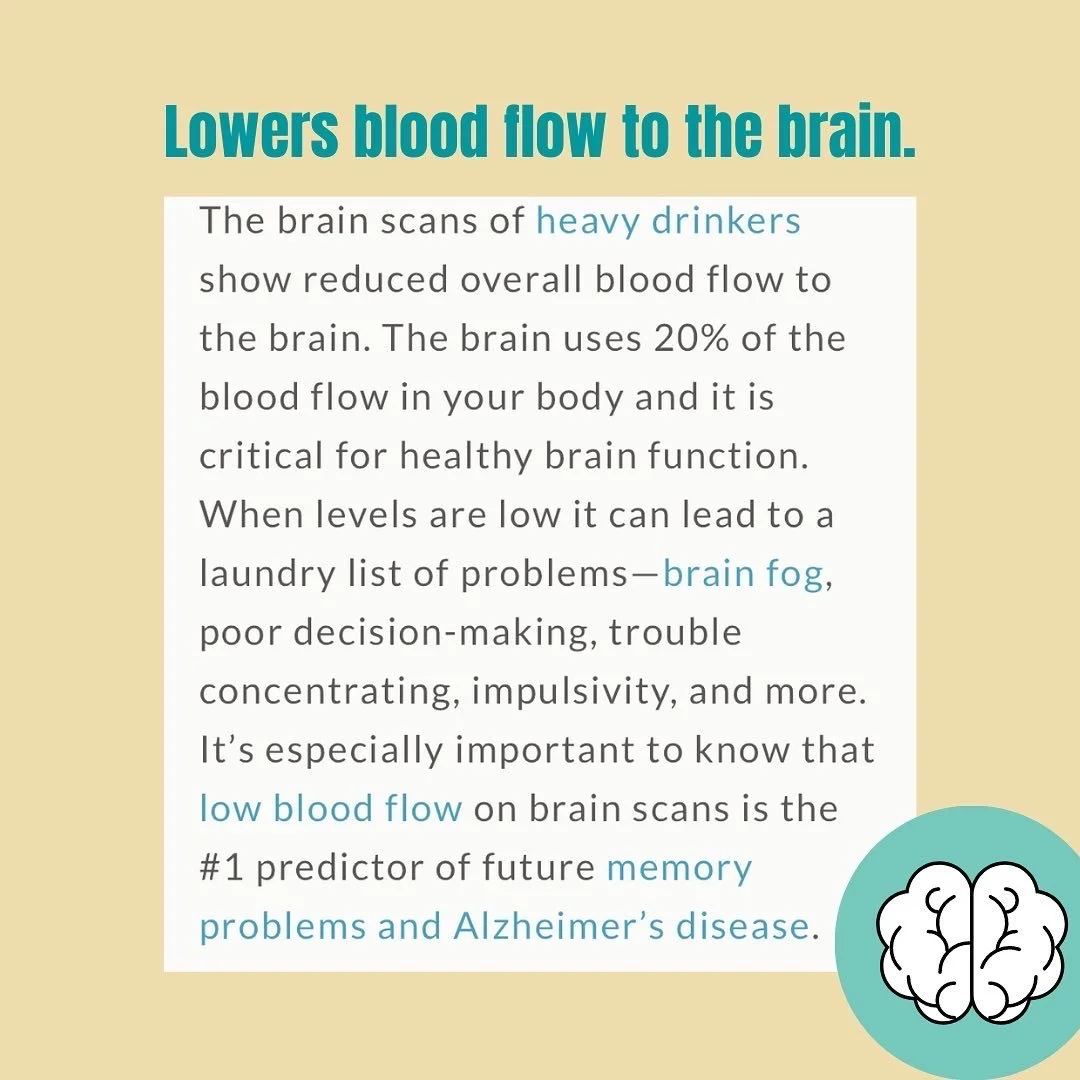
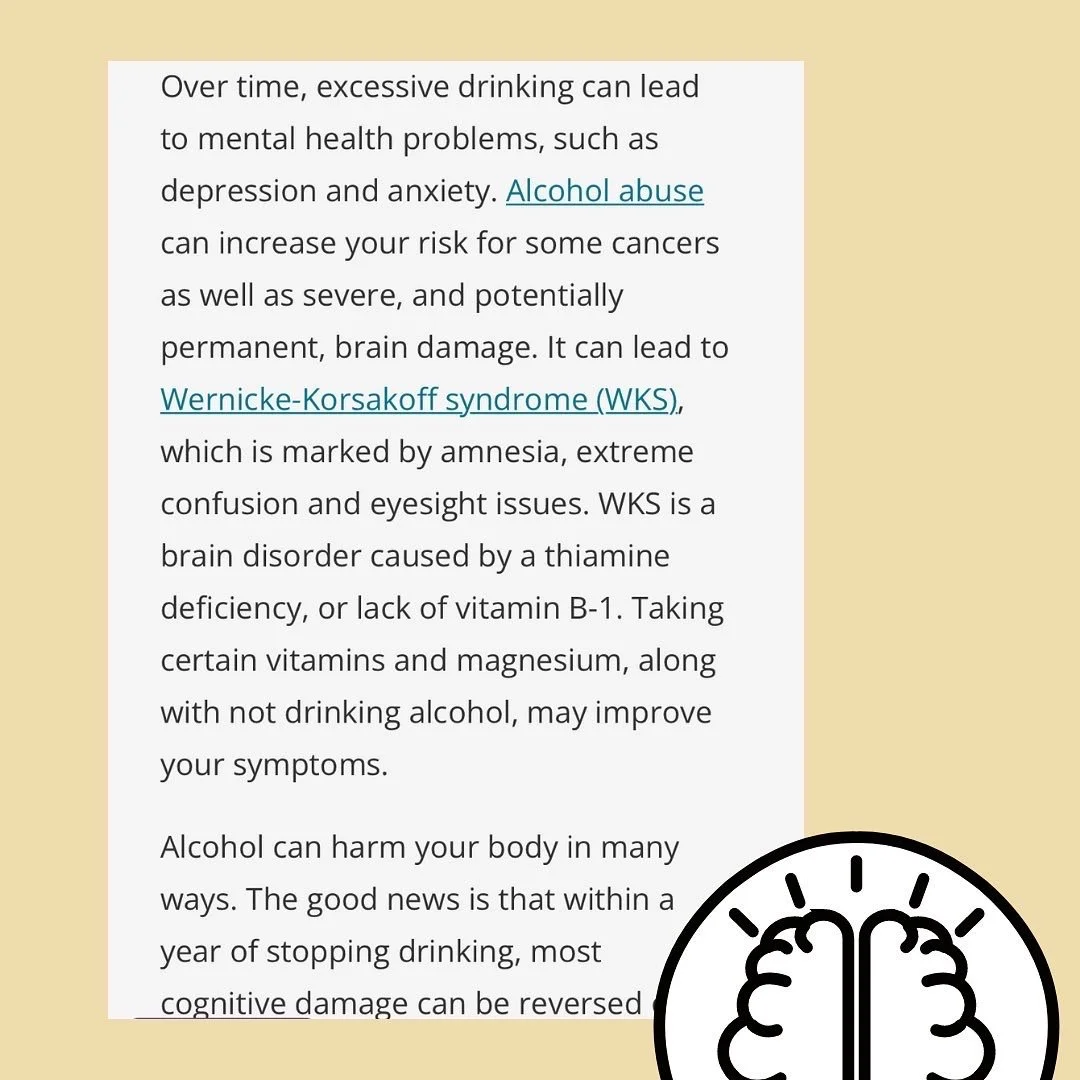
Scans, along with several studies, is revealing the many ways that alcohol impacts the brain. Decreased blood flow to the brain, limited brain cell reproduction, increased risk of dementia, hippocampus atrophy, and more. Add on increased anxiety and brain fog.
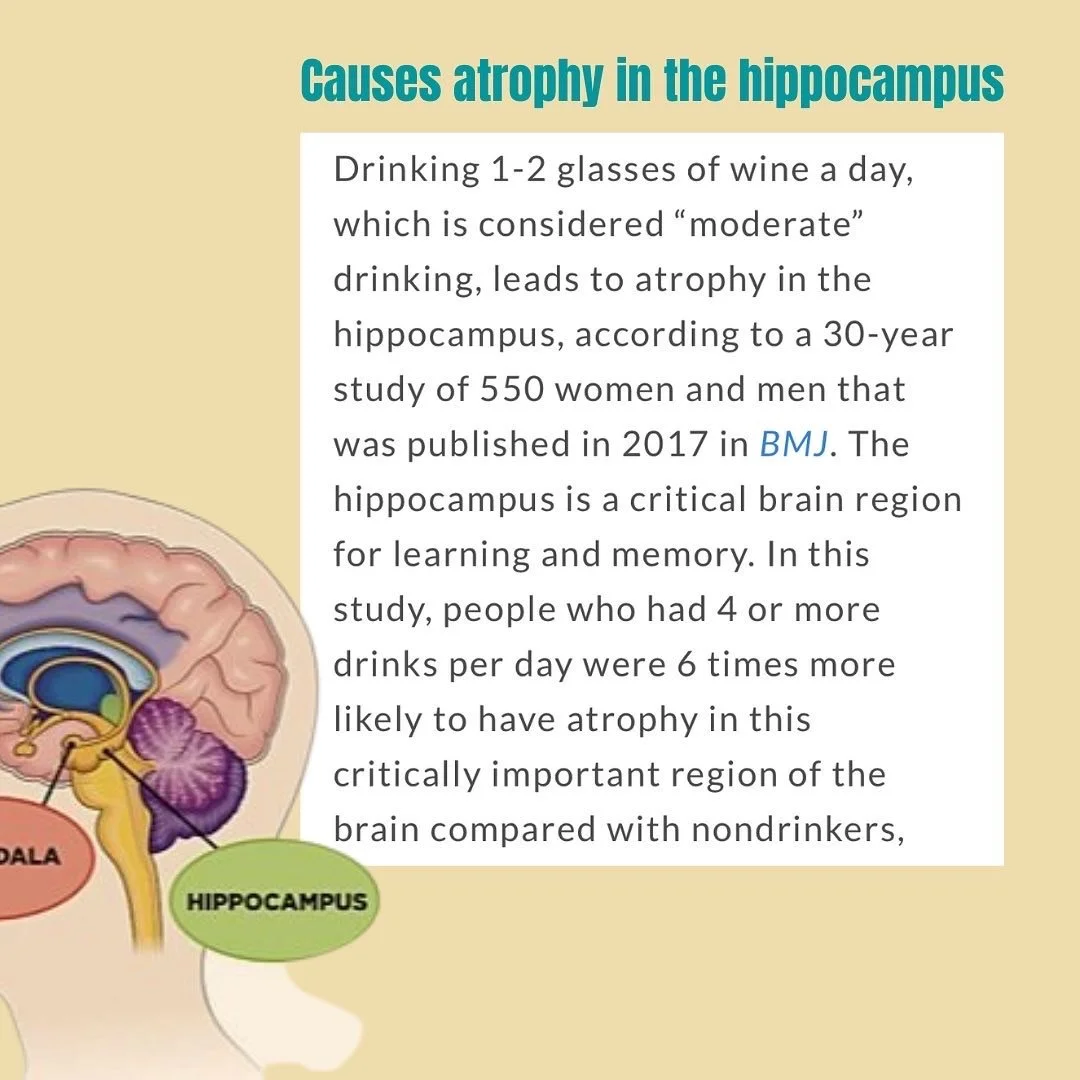
So yes, it may calm your nerves for a brief spell but it sounds to me like a very temporary numbing with great potential to lead to much more unsettling conditions.
It just isn’t worth it when there are so many more options out there now. Like natural options that truly help with building overall strength, long term.
It is time to invest in finding your way through your grief , naturally. Know better + do better!

A cancer widow's tale: When words fall short but LOVE doesn't.

Lament, sorrow, pain. Sometimes we allow ourselves to go there, sit there, feel it. Other times it presses in like a vice grip on our brains. Yesterday, was a vice grip day as I was standing in the kitchen. My mind uncontrollably reeling, revisiting all kinds of thoughts. Honestly, considering conversations that never were. A new reality of deep grief was forming due to a lack of conversation.
Why didn't Dave talk to me about it?
Why didn't he give me advice, permission, his wishes, and why didn't he give me a goodbye letter. He gave each of our kids one. Why not me?
And as for me....
Why didn't I scream at cancer in his face?
Why didn't I cry out in front of him that I didn't want him to leave me?
Why didn't I beg for him to tell me everything my ears and heart so badly wanted to hear from him? WHY?????
I was asking God this yesterday in my extremely vulnerable state. I had been on the verge of tears (or full-out bawling) the entire day.
As I was standing in the kitchen facing the cupboards, for who knows how long, mind sloshing away in the grief sludge. Why? … and God, clear as DAY, told me "That was you LOVING HIM WELL. That was you loving him in the most sacrificial form there is." You see, I needed SO MUCH MORE. I needed words, I needed to hear his heart for me. I needed him to tell me I was going to be okay. I needed him to tell me everything he wanted me to do and to say with the kids from here on out. I got none of it, not one word. What I did get was a simple look of content, over + over again.
Decades of marriage with him proved I could easily have forced him to talk to me.... so why didn't I? Why did I sit there in a state of quiet and calm when in truth I so desperately longed for words. Because I LOVED HIM so DESPERATELY. I didn't press or demand... I sat in his process with him. I allowed him to do it his way. No, WE did it his way together. I followed his lead, and he held tight to his HOPE.

So many tell me they can't believe the tremendous faith we had through it all. Yes, we did. But I think perhaps they are confusing what they witnessed as faith when in reality a lot of it was Dave’s positive mindset, and perhaps even a touch of denial. They think because we didn't post about the struggle, fears, and appearance of a gloomy outcome that we believed 100% he would be healed. I don't think any of us stood on that ground, but hope was always on the fringes. My husband was few on words but the ones he did choose to speak were full of life, hope, and days to come. Any others were unspoken.
Everything in my nature would have screamed for answers, and real talk, but somehow in the thick of our 14 month long chaos of chemo, radiation and unsuccessful bone marrow transplant, God gave me a supernatural ability to die to self. I am so grateful for that now. We did did it our way, we did our best, we loved well. Sometimes love looks like action, and sometimes love looks like quiet. Real words may have fallen short but love was more than evident in the chosen QUIET.
When words fall short but LOVE doesn’t.
My entire story points to Him, even the dips and valleys.
Today I allowed myself a few minutes to dig back into my instagram posts from the last two years in order to allow myself to see where I have been and how far I have come. Because here is the deal, I have been feeling a bit stagnant, immobile, stuck in the thick of the grief. However, I remembered that a few months ago God reminded me how these seasons serve as a purpose to get us to the next hill to rise up on.
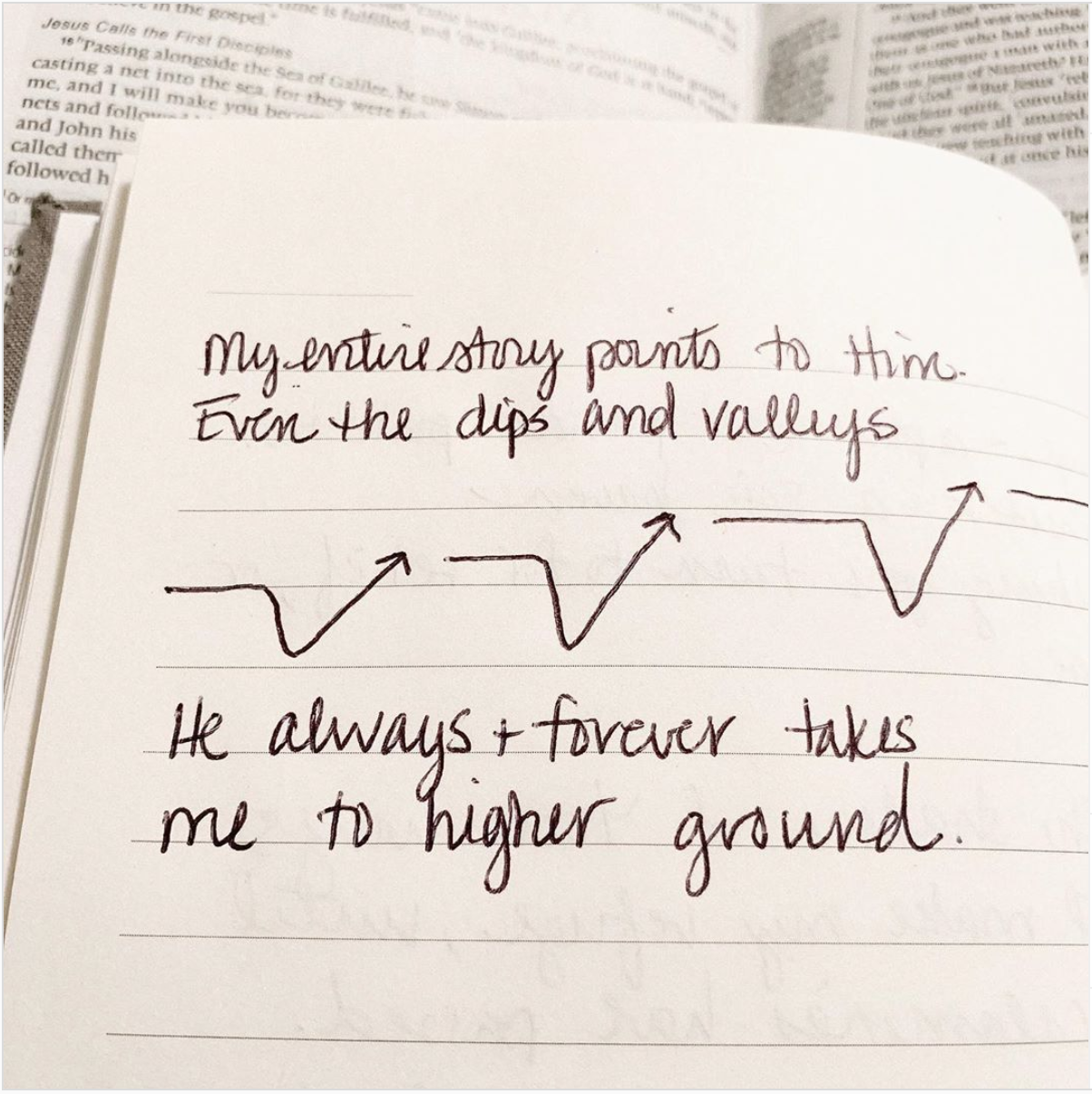
In October he showed me this:
“God has been carrying me in this valley. It is barely any effort of my own. Every time I try I fall flat. I just don’t seem to have the energy or mental space to sit and process with Him. Or maybe I am avoiding, skirting around and dodging the deep things? Not sure. Time will tell. But the question that keeps coming with my awareness of my avoidance is “Do I trust?” Is that what is stopping me from sitting in His presence?⠀
⠀
I’ll be honest here- additionally Church has been a hard place to step into, so many memories. So, so many memories. Attending, leading, dreaming, building a family together, and healing. Healing happens in church, healing happens with God. ⠀
⠀
Thankful for my kiddos yesterday- they all decided to gather and go... and I walked through the doors with them. And it was good. That first step gave me the strength to go with a couple of my kids to the worship event last night as well. SO GOOD. ⠀
⠀
Which then led to me cracking open my Bible study this morning and journaling a bit as well. During that time God showed me this picture very clearly. Yes, the valleys and dips are tough... but He holds us tight by his right hand and lifts us up to higher ground. EVERY DIP + VALLEY CHANGES US, STRENGTHENS US, gives us a clearer perspective to be sympathetic, caring, loving, and world changers for the LOVE of Christ. ⠀
⠀
For the LOVE let’s grab hands and go do hard things together.”
Sometimes looking back has its advantages. Just be careful you don’t stay there too long and get stuck.
Be well,
Kimber
Trauma Permanently Changes Us
Trauma. It wasn’t a word I would have thought I would be using with such a common type of death as cancer. However, when you sit with your person, and go through the treatments, and watch them suffer, and eventually die… well, it is indeed traumatic.
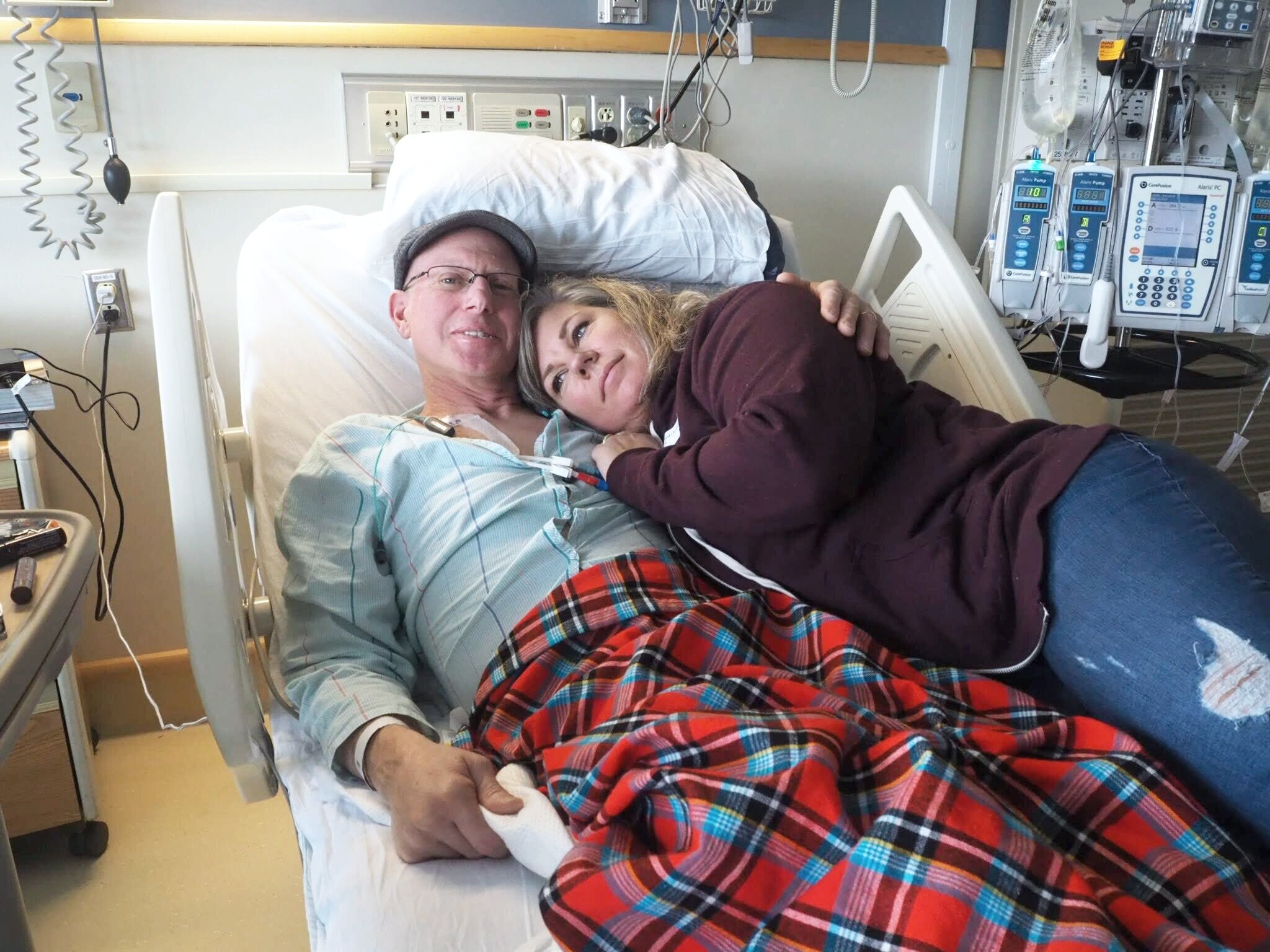
As the days go by, and some of the memories choose to resurface, you know… the kind where you are back in that room again, with all the sights, sounds and smells. It is then that your heart begins to race, and your eyes leak at the gut punch of reality. Your brain wants to turn it off quickly while clinging to it at the same time. This is because for a brief moment your mind would almost choose to be there (even knowing the outcome) versus sitting in this empty void you have been left with. The uncomfortable space between yes, this is my new reality and no, I don’t want to do this. I am sitting here telling you no one wants to do this.
The gut punch ache never leaves, even though your brain is doing a pretty thorough job of trying to protect your shattered heart. But when the brain is triggered by God to let the walls drop a little… “It’s okay, she can handle that memory, drop that wall, let her remember.” And BAM it unexpectedly slaps you awake… it is right here in this space that you are beyond aware you, no doubt, have experienced trauma.
A lot of times I find myself wondering if I will ever be the same, and I have come to the conclusion that, no, no I won’t. Will I still have joy, yes. Will I continue to have moments where I laugh until I snort at the silliest of things? Yes. Will I be able to go a week without bawling? Maybe? Will life go on and will new life experiences be fulfilling. For sure. But still…
I found a lot of comfort in this article that I found by Catherine Woodiwiss: A New Normal: Ten Things I’ve Learned About Trauma. Here is an excerpt:
This is the big, scary truth about trauma:
there is no such thing as “getting over it.”
The five stages of grief model marks
universal stages in learning to accept loss,
but the reality is in fact much bigger:
a major life disruption leaves a new normal
in its wake. There is no “back to the old me.”
You are different now, full stop.This is not a wholly negative thing.
Healing from trauma can also mean
finding new strength and joy.
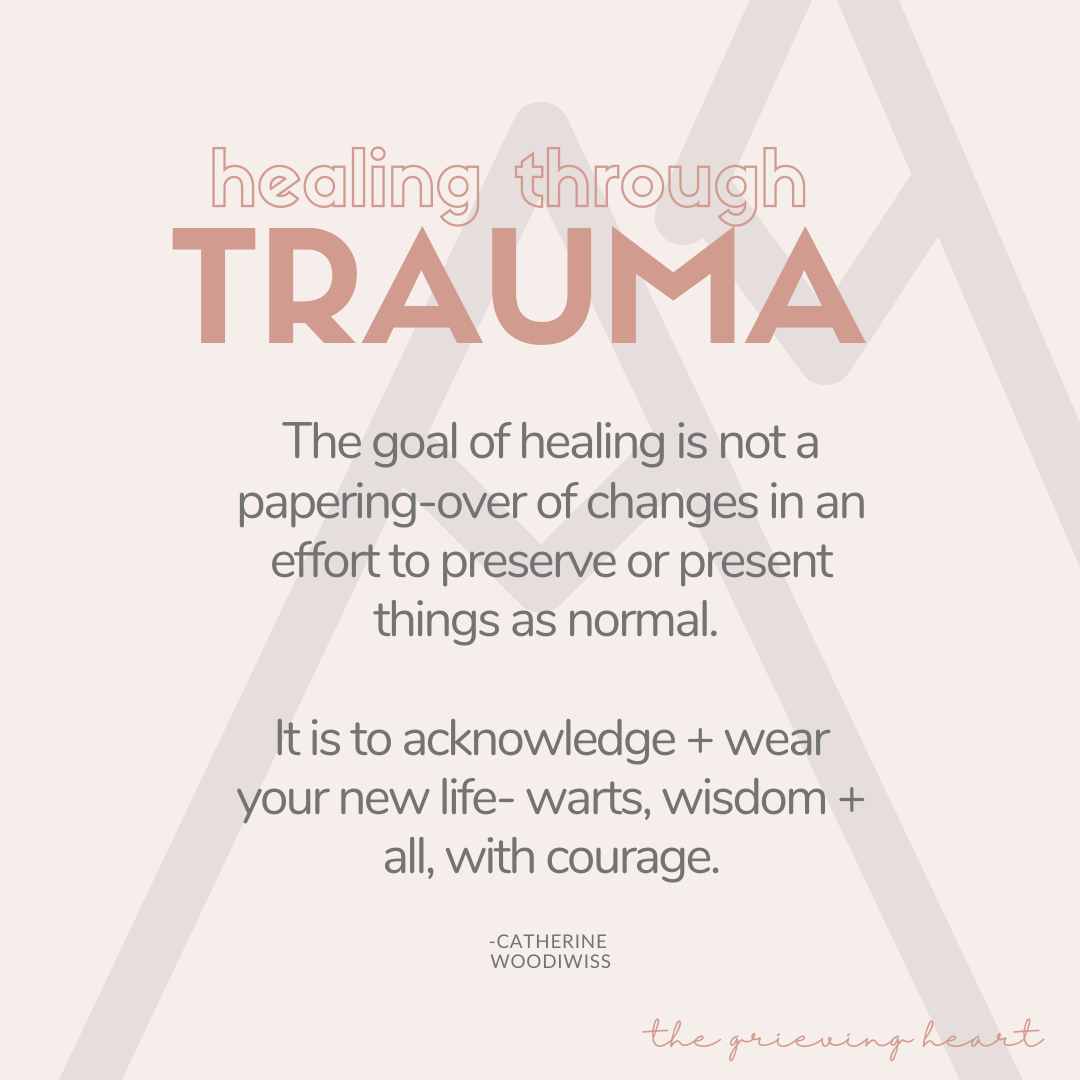
The goal of healing is not a papering-over
of changes in an effort to preserve or
present things as normal. It is to acknowledge
and wear your new life — warts, wisdom and
all — with courage.– Catherine Woodiwiss
I am different now. If you have experienced trauma, you are different now. It is okay. Don’t try to hurry your way back to an old state of norm to please the people around you. It won’t happen. Give yourself the gift of grace and patience as you discover your new life, day by day.
Cheers my friend, here is to a new life with warts, wisdom and all.
Be Well-


When the “ABOUT US” changes: dealing with loss
I’m sitting here, in Hawaii. Dreamy right? It stirs up all kinds of romantic notions, yes? However, romance is the last thing on my brain. I’m actually sitting here thinking about how on earth I got here.
Oh, I know that I arrived here on a plane with an airline ticket that I myself purchased. That isn’t what I am referring to. I am talking about how on earth did I end up a middle-aged woman, sitting (possibly wallowing), in the thick of immense grief.

GRIEF
GRIEF because 20 months ago my husband was diagnosed with an aggressive form of cancer.
GRIEF because 12 months ago we found out it was tougher to fight than we thought.
GRIEF because the next year would be filled to the brim with horrendous battle after exhaustingly unsuccessful battle.
-GRIEF because six months ago he was SET FREE from the battle.
But here is the unfortunate thing… I wasn’t. My kids weren’t excused either. The memories still swirl in our brains, poke at our hearts and physically shake us at times. We so wanted a different outcome. We wanted a victory story that would have us all on our feet dancing, singing praises of “Only God could do that.” as we grabbed Dave’s hands and raised them high in adoration.
As deep as our longings were, as heartfelt as our prayers could have been, that wouldn’t be the conclusion to Dave’s story.
Our “ABOUT US” has changed and it is not what we would have chosen.
I brought my computer with me on this trip because God has made it evidently clear that he has some work for me to do. (I’ll get to that in a future post.) But this is the deal for now… I needed to update this website, and I needed to start with the about page. AND I hate that I am sitting here having to do this. That battlecry part of the story is over and now…. yeah, now what? What the heck am I about? As I go down the list of what used to be there are a lot of boxes to check of “not anymore’s” - so then what is left? What is going to be? I don’t even know.
I do know one thing: the cancer battle for Dave is over which means the battle of making the memories serve us well is in full force. The battle of choosing to keep going and staying strong. The battle of fulfilling what God has in mind for us to do. YES. Every single day will reveal to us what that looks like. Our job isn’t to think too far out and become overwhelmed, our job is to be present with listening ears and a willing heart… no matter the cost.
God, help us to not waste a morsel of what you intend to use in us and through us. Help us to feel, to process, to pray, to grow closer to you in the thick of it all. Carry us through what we can’t muster the strength to trek on our own.
I am posting below our old “ABOUT” contents because I don’t want to erase the past journey, I want to embrace it, hold it dear and use it to launch forward.
(About page 2018/19”

“THE JOURNEY SO FAR
I was talking with my husband the other day about this life we have lived together. Battling cancer as a family has a way of walking you through the years and almost demanding you reflect on your story. Are the pages filled with all that matters? What chapters did we miss? Any we would choose to rewrite? Looking back I would say we have lived a fairly BIG life in our recently turned 50 years. I imagine the rising action and climax in our current storyline would be something people would dream about happening at some point in their lifetime.
The pages of this website will be riddled with some of the stories of our glorious adventures with family, lake life, racing boats and cars, camping, taking teams to Tanzania and Kenya, partnering with a school in Kibera Slum, working alongside programs in Tanzania that help widows, orphans and young single mamas, starting a nonprofit, overcoming debilitating pain and more. Those are the peaks. Then there are the valleys of abandonment, abuse, anxiety, cancer, a stillborn baby, the division of a family business. The beauty in all of this is the good comes with a natural sparkle but the hard places… they have the ability to shine when you find the beauty in the pain. It’s always there just waiting to be picked up, dusted off and held high.
My personal story is packed full with this type of rescuing. So, so many stories of being redeemed from the muck and mire covered in the thick weight of my earned distress. When that kind of grace and mercy show up in your life you are pretty eager to sprinkle it around like confetti.
I hope you find the encouragement and help you are looking for here. We will be posting our upcoming workshops, simple DIY projects, devotions, keto recipes, and random musings along the way. “