
Books + Resources
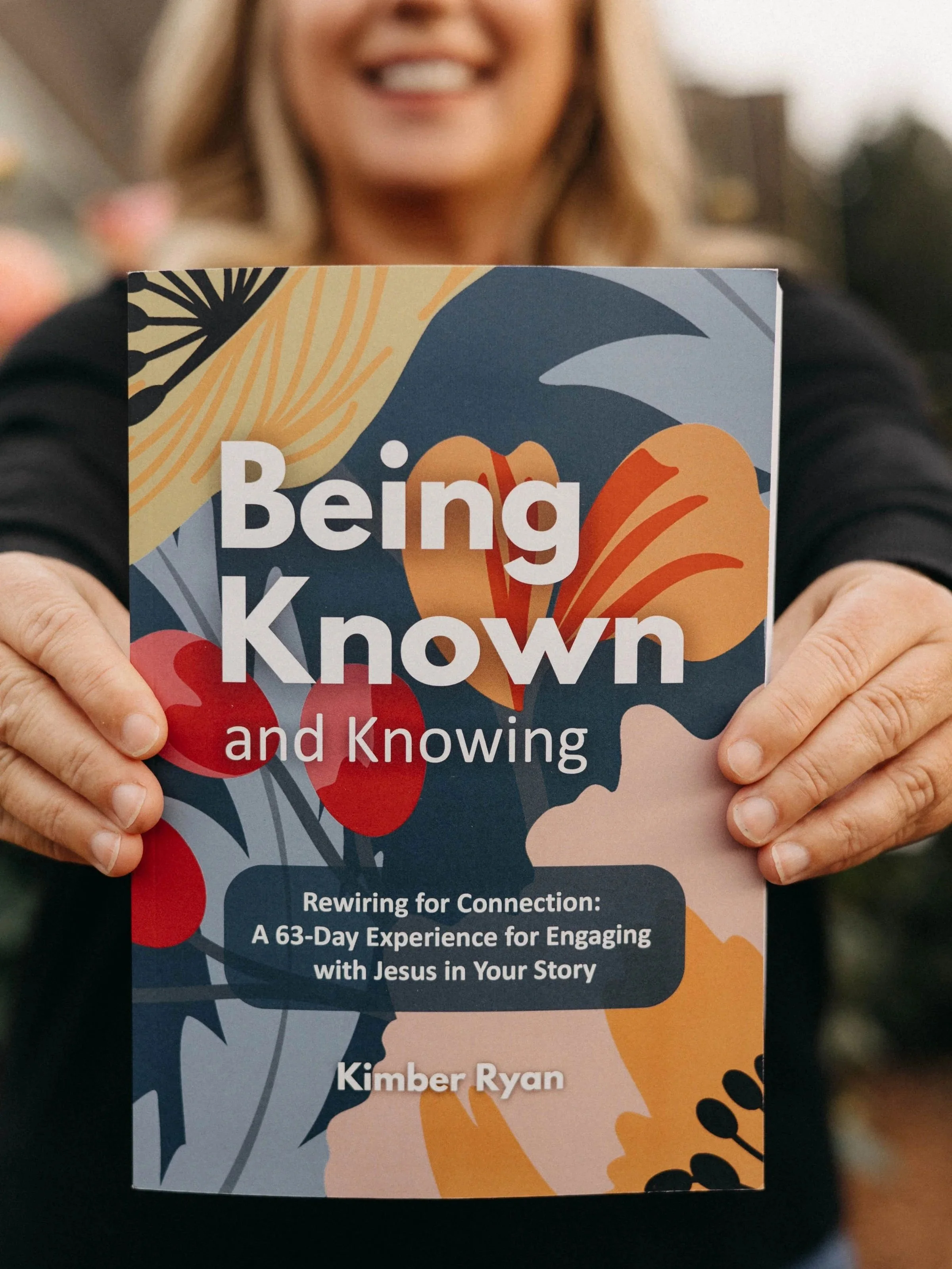
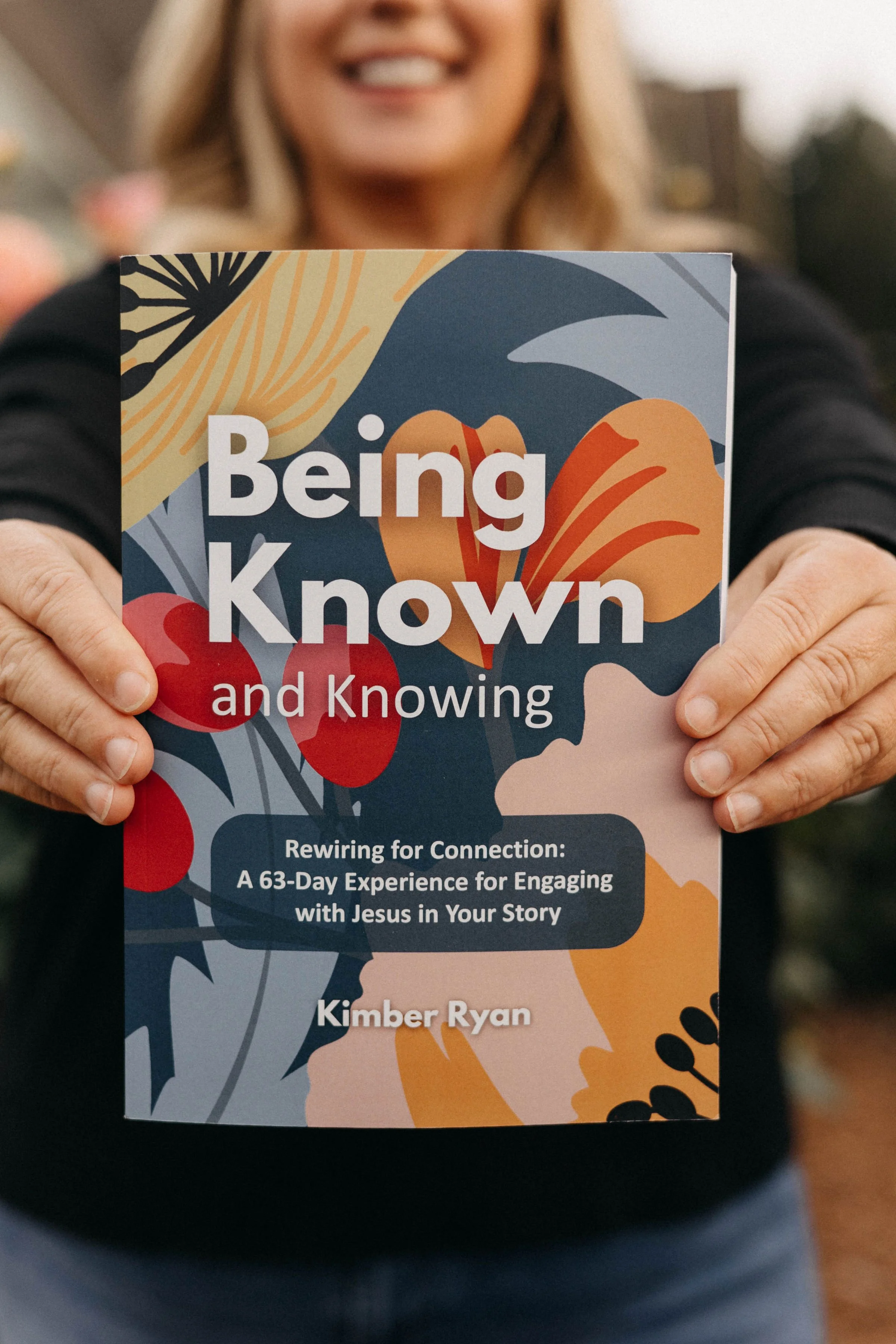
Have you ever felt spiritually numb, disconnected, or unsure if your story still matters to God?
Being Known and Knowing is a 63-day experience for the woman who longs for deeper connection with Jesus - but doesn’t know how to get there. Whether you’re grieving, burned out, or just feeling dull inside your faith, this sacred guide will gently walk with you through the places you’ve silenced, hidden, or forgotten.
Inside this experience, you’ll find:
A neuroscience-informed journaling rhythm to help rewire your connection to God and yourself
63 daily pages with structured practices: Brain Dump, Breath Prayer, Being Known (with Jesus), Journaling Prompt, Soul Reminder, and Scripture
Gentle spiritual tools for those who feel emotionally tired, spiritually dry, or disconnected from their story
A space to bring your grief, doubts, hopes, numbness, or weariness - without needing to fix them first
This is more than a devotional or a journal. It’s a sacred invitation to return to presence, to story, and to the kind of love that sees you fully and still stays.
If you’re tired of shallow answers and long to feel close to Jesus again—start here.
ebooks
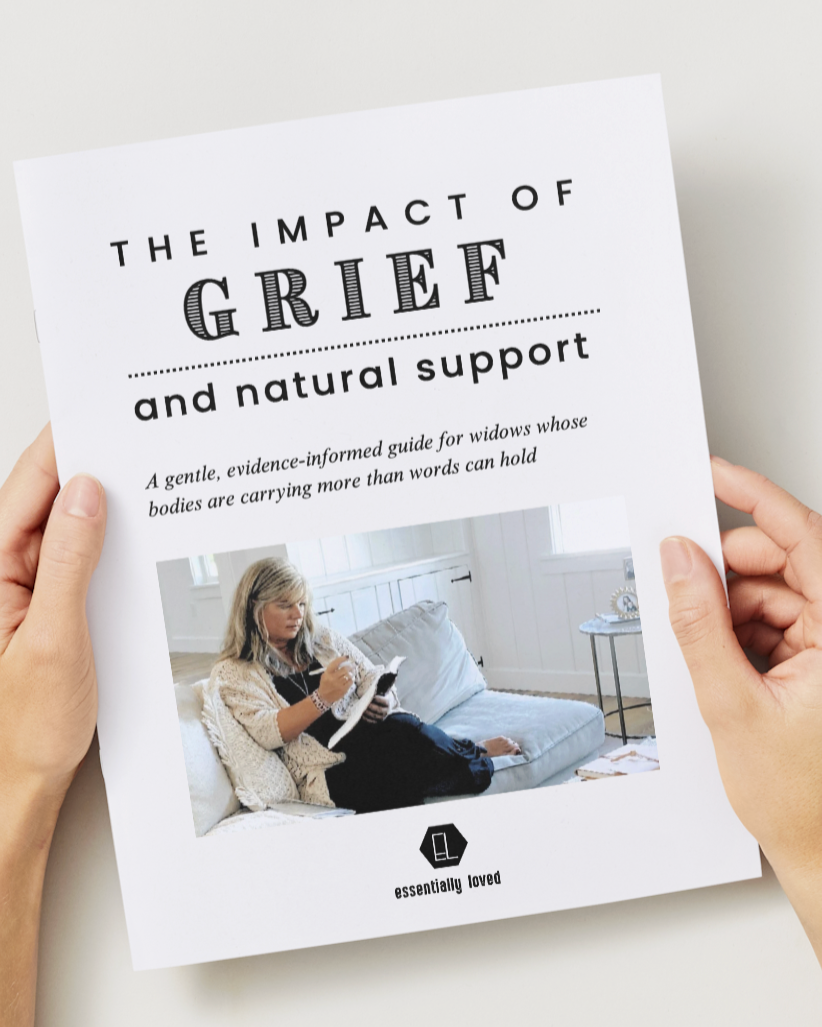
The Impact of Grief is a gentle, evidence-informed digital guide for widows whose bodies are carrying more than words can hold.
Grief is not only emotional. It is physical, neurological, relational, and spiritual — and widowhood places a unique and ongoing load on the body. When a husband dies, life does not pause. Decisions still have to be made. Children still need care. Responsibilities once shared are carried alone. The nervous system adapts by staying alert, often long after the loss itself.
This guide explains what is happening inside the grieving body in clear, grounded language — without platitudes, pressure, or quick fixes.
Inside, you’ll learn:
Why grief feels physical and why symptoms can intensify as time passes
How the nervous system responds to loss, responsibility, and ongoing demand
Why grief moves through body states, not linear stages
How breath, gentle somatic practices, and sensory support help the body regulate
Why body-based spiritual practices are often more accessible than mindset work in grief
How to support your body without rushing healing or forcing progress
This resource is designed to be read slowly, revisited often, and used flexibly — especially on days when focus, energy, or words feel limited.
The Impact of Grief is for widows who want understanding without overwhelm, faith without pressure, and support that honors how much their body has already endured.
The Impact of Grief
Why your body, mind, and heart feel so unfamiliar after loss
If you’re a widow, you may have noticed this already:
You’re not just sad.
You’re not just “missing” your person.
Your body feels different.
Your brain doesn’t work the way it used to.
Your emotions feel louder, heavier, or harder to regulate.
You may wonder quietly:
Why am I so exhausted all the time?
Why can’t I concentrate or remember simple things?
Why does my chest feel tight, my stomach unsettled, my sleep disrupted?
Why do I feel on edge one moment and completely numb the next?
This can be unsettling — even frightening — especially when no one explains what’s happening.
Many widows are told:
“Grief is emotional.”
“Time will heal it.”
“Try to stay busy.”
But grief does not only live in the heart.
It moves through the brain, the nervous system, the body, and the sense of safety you once shared with your person.
What this ebook offers
The Impact of Grief gently explains why grief affects you the way it does — without medical jargon, spiritual bypassing, or pressure to “do grief right.”
Inside, you’ll discover:
How grief changes the brain and nervous system after primary attachment loss
Why widowhood can feel like living in a body you don’t recognize
Why symptoms like brain fog, anxiety, exhaustion, and sleep disruption are common — and not signs that something is “wrong” with you
How your body is responding to loss in protective, meaningful ways
Language that helps you understand yourself with more compassion and less self-judgment
This is not a workbook that asks you to push forward.
It is not a checklist for healing.
It does not rush you toward acceptance.
Instead, it offers understanding.
Why this matters for widows
When your husband died, you didn’t just lose a person — you lost your co-regulator, your sense of shared safety, and the rhythms that anchored daily life.
Your body remembers that loss, even when your mind is trying to function.
Understanding the impact of grief can help you:
Feel less alone in what you’re experiencing
Stop blaming yourself for symptoms you didn’t choose
Respond to your body with more gentleness
Take small, supportive steps instead of forcing yourself to cope
This ebook is for you if:
You’re newly widowed or years in and still feel “off”
You want science-informed understanding without cold explanations
You’re tired of being told grief is “just emotional”
You want language that honors both your loss and your humanity
You are not broken.
Your body is grieving.
The Impact of Grief helps you understand what that truly means.
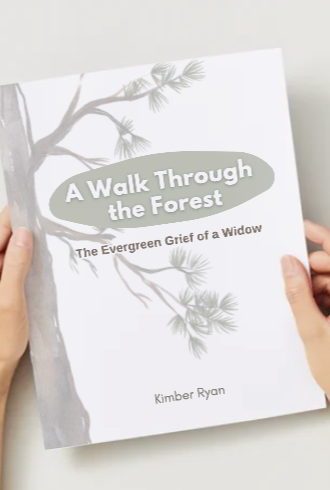
Widowhood carries a kind of grief that doesn’t end — it changes shape.
A Walk Through the Forest is a grief-informed Christian ebook written for widows navigating the ongoing, evergreen nature of loss after the death of a spouse. Through imagery, reflection, and gentle teaching, this book offers language, understanding, and companionship for women learning how to live fully while carrying grief that remains.
The Evergreen Grief of a Widow names a truth many widows live with but rarely hear acknowledged: grief does not end simply because time passes. This book gently explores the ongoing nature of loss for widows— the way grief can resurface across seasons, milestones, and ordinary moments, even as life continues to grow. Rather than framing this as being stuck or unable to heal, it offers language and understanding that honors enduring love, attachment, and memory. Written with compassion and clarity, this book helps widows make sense of why grief remains present, without shame or pressure to move on.