“A deep sense of love and belonging is an irreducible need of all people. We are biologically, cognitively, physically, and spiritually wired to love, to be loved, and to belong. When those needs are not met, we don't function as we were meant to. We break. We fall apart. We numb. We ache. We hurt others. We get sick.” - Brene Brown
Grief fog and emotional whiplash can feel alarming in widowhood. This post explains why clarity, pain, and calm shift suddenly — and how the nervous system protects you.
Crying during grief can feel frightening, but it often helps the nervous system release stress. This post explains why tears can bring relief in widowhood.
Grief waves can feel endless, especially in widowhood. This post explains how long acute grief waves typically last, why time feels distorted during grief, and how the nervous system eventually settles.
Grief often feels overwhelming because it moves through the body in waves. Sudden surges, foggy thinking, and intense emotion are not signs of weakness — they’re the nervous system responding to loss. Understanding what your body is doing can soften fear and help you ride each wave with more trust.
Widowhood doesn’t just break the heart — it overwhelms the nervous system. Grief affects sleep, stress, and the body itself. This post explains why widowhood feels so physically hard and how gentle, body-based support can help widows carry what love and loss demand.
Losing your husband doesn’t just break your heart—it reshapes your body, your faith, and your capacity for life. These seven grief-informed goals offer widows a different way forward in 2026—one rooted in safety, connection, and honest care beyond survival.
Grief after loss lives in the nervous system, the body, and the breath. This post shares essential oils and embodied practices for widows—supporting sleep, pain, digestion, emotional regulation, journaling, and gratitude as you carry grief forward.
Christmas is meant to feel warm and connected—but for many widows it feels loud, exposing, and heavy. This grief-informed reflection explains why the holidays hit so hard after loss, and what’s really happening in the body, brain, and heart.
Grief makes your world small, tight, and closed in. But something sacred happens when you step into someone else’s story. This raw, honest reflection invites widows into healing through empathy, witness, and the gentle ways God moves through our brokenness.
For the widow who feels flat, forgotten, or unsure where she belongs this Christmas. A tender, grief-informed reflection on why the holidays feel so heavy—and five gentle ways to move through the season with honesty and care.
The Widow’s Holiday Cry — what she wishes everyone understood. A real, somatic, whole-body look at why Christmas hurts after loss and the truths that help widows survive the season.
Grief doesn’t just change us — it changes our friendships too. One day you’re sharing life with people who knew you “before,” and the next, you’re learning how to stay connected through loss. Here’s why it’s hard to be friends with a widow — and what love looks like when you stay.
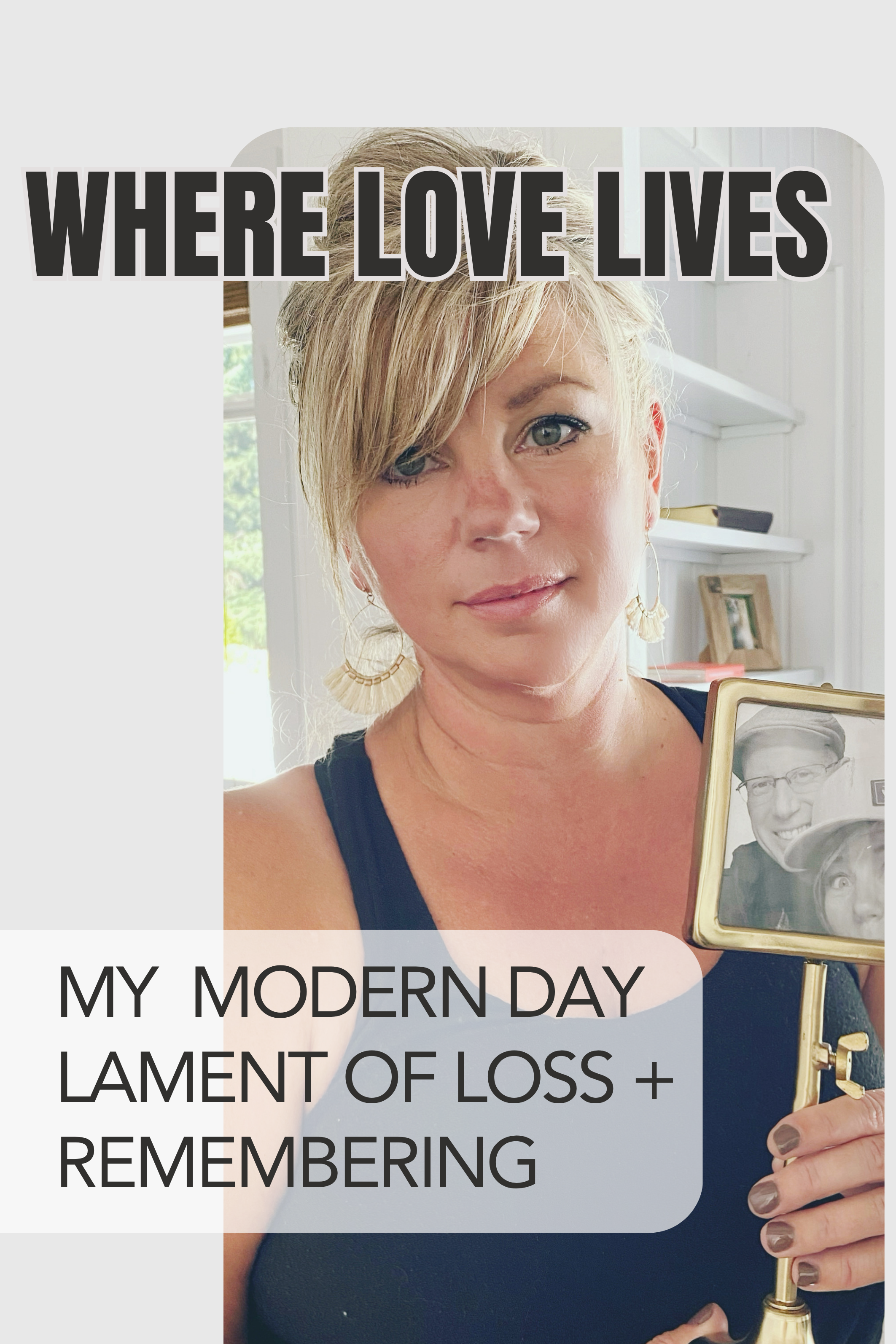
In this modern lament, I share my honest journey through loss and love — how grief reshaped me, and how love still lives within all that remains. You’re invited to write your own modern lament and discover the raw beauty of loved lived out after you lost someone.
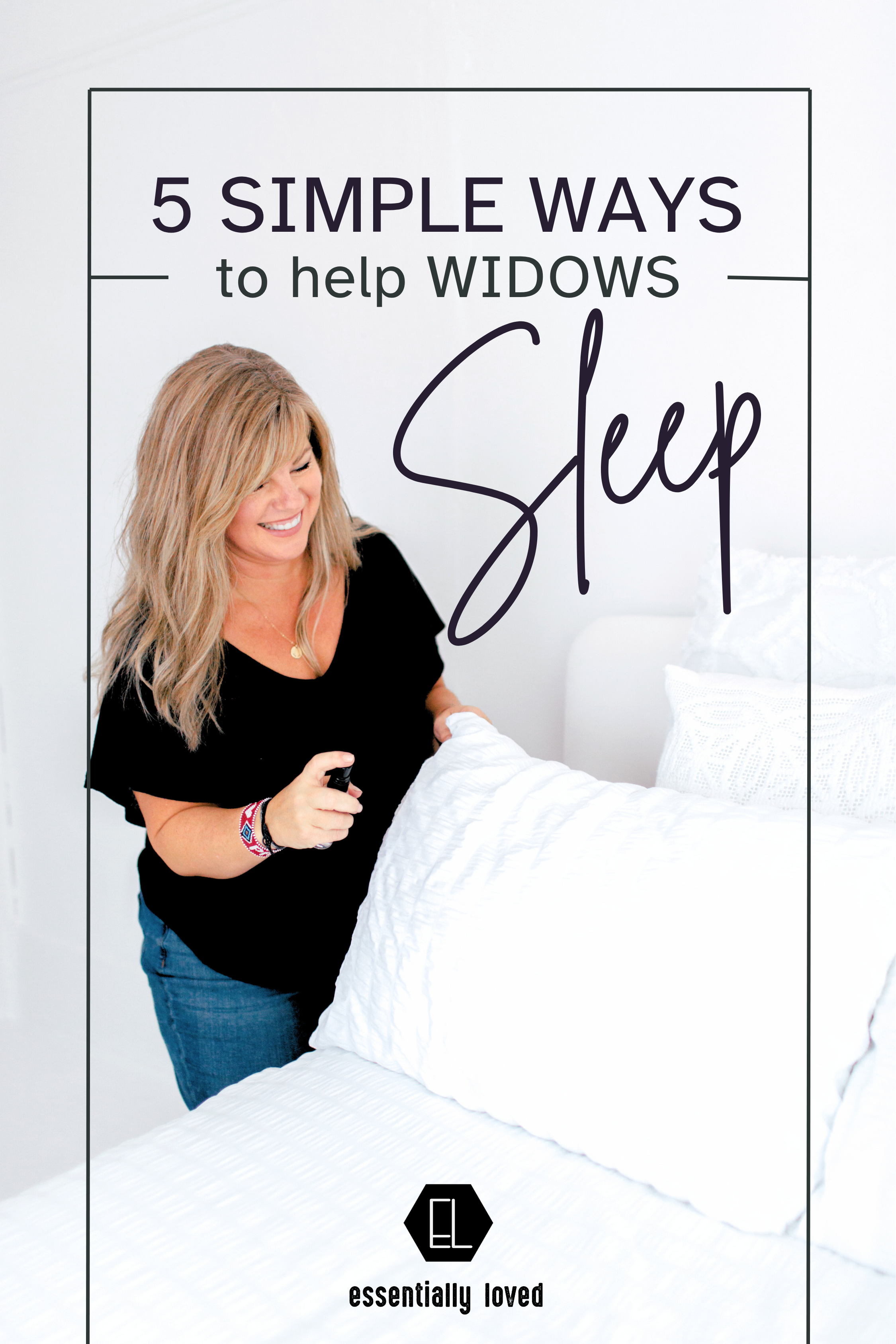
When you’re grieving, sleep doesn’t come easy. Your brain’s “cleaning crew” - the glymphatic system - can’t do its work, leaving you foggy and exhausted. In this gentle guide, written for widows, discover how deep rest, hydration, natural care like essential oils, and small kindnesses can help your body and mind find rhythm again.
Grief isn’t just an emotion - it’s a lived experience that imprints on the brain, body, and soul. In this post, grief coach and spiritual director Kimber explores why grief deserves dignity, how it rewires us, and what it means to carry love forward while learning to live with loss.