Why It’s Hard to Be Friends with a Widow (and How to Stay Anyway)
Grief doesn’t just change us — it changes our friendships too. One day you’re sharing life with people who knew you “before,” and the next, you’re learning how to stay connected through loss. Here’s why it’s hard to be friends with a widow — and what love looks like when you stay.

When my husband died, I expected grief to change me — I didn’t, however, expect it to change the bulk of my friendships too.
Grief reshaped relationships in ways no one prepared me for. In fact, nobody was talking about it. One day I was sharing everyday life with friends; the next, I was standing awkwardly unsure of how to connect at all.
One day we were swapping stories about dinner plans, the kids, and weekend trips. The next, I was sitting across from familiar faces, feeling like I no longer fit inside the same world. I laughed at the right moments, nodded along, but inside something ached. I was the same — and I was definitely not. I felt as if I was betraying myself by pretending.
For me, the world grew quieter, out of sync, and unknown. For my friends, it grew awkward. Both sides ached for connection, but neither knew how to bridge the gap.
The Rift You Don’t See Coming
No one warned me that loss wouldn’t just take my person — it would rearrange absolutely everything and leave me wondering where I belonged now. Where would I not feel alone?
Our worlds no longer matched.
My world had split in two. Theirs hadn’t. It wasn’t their fault, but it left me suspended between who I had been and who I was becoming. I had no idea what it would take to find my way back — or to wherever I was going. And I certainly had no idea who would stay long enough to walk with me while I tried. I knew my process of finding out was going to be messy.
Triggers hid in the ordinary.
Dinner invites, anniversary posts, a casual mention of “we” — everything that once felt normal began to set off alarms inside of me. Grief didn’t announce it was entering; it simply stormed in, loud and uninvited, right in the middle of simple moments and everyday life.
My brain didn’t work the same.
I retold stories, processes, experiences. I forgot what I had said and to whom I’d already said it. Sometimes I held back because I didn’t want to be “too much,” and other times everything just poured out wildly. Either way, I felt exposed, raw and vulnerable. The inside of me was a garbled mess and any words that came out would be sure to reveal that truth.
Silence filled the gap.
Some friends stopped calling or messaging — I don’t believe it had to do with them being uncaring but much more because they didn’t know how to. The fear of saying the wrong thing kept them quiet, yet the silence hurt more than awkward words would have. Because awkward was my new grieving norm anyway.
My capacity changed without warning.
Some days I wanted company. Other days I couldn’t breathe around people. It wasn’t rejection — it was survival. It was my way of trying to process the uneven weight that grief so abrasively dumps on you.
How to Stay Anyway
If you love a widow, it will feel uncomfortable.
You’ll second-guess your words. You’ll worry about saying too much or doing too little.
But staying matters more than getting it right.
Here’s what I’ve learned from both sides of this fragile space:
1. Show up, even when it’s awkward.
Don’t wait for the perfect words or timing — they don’t exist. Presence is the healing language of grief. Send the text. Sit in the silence. Drop off the coffee even if she doesn’t open the door.
2. Say what’s real.
“I don’t know what to say, but I’m here.”
That kind of honesty builds trust faster than any forced encouragement ever could.
3. Let the friendship change.
It won’t look like it used to — and that’s okay. Grief isn’t going anywhere.
This version will be quieter, slower, more intentional. That’s how love rebuilds itself after loss.
4. Offer small, steady gestures.
Grief drains decision-making and emotional energy. It makes the body tired. A consistent rhythm of small care says, “You’re still seen.” And consistency shows you plan on sticking around.
5. Learn the language of grief.
Listen more than you speak. Ask what helps, what feels heavy, what she misses most.
Let her story be the teacher.
Posture. Presence. Patience.
Over time, I’ve learned these three are what every grieving heart — and every lasting friendship — needs.
Posture: Come as a learner. Listen before you speak. Ask thoughtful questions. Let empathy lead. Hold fewer opinions, give less advice, and make more room for her story.
Presence: Be near. Stay steady when she withdraws, cries, or changes the subject. Your quiet consistency will mean more than you realize.
Patience: Grief takes time to find it’s way, and it’s not linear. Let her move at her own pace. There’s no “before” to return to — only a new kind of life to walk together.
These three — posture, presence, patience — rebuild safety in a world that feels unsafe. They whisper, You’re not too much. I’m not going anywhere.
For the Ones Who Want to Stay
If you’re walking through loss — or walking beside someone who is — I created something for you.
It isn’t a checklist or a script. It’s a way to stay close when things feel uneasy.
Staying Close: What to Say + How to Show Up
A free, practical resource that gives language to the widow and tools to her circle of support —helping both sides find their way to stay connected.
Because the truth is, friendship after loss isn’t ever about saying the right thing.
It’s about standing close enough to feel and engage with what really matters.
Enter your email below to have this helpful information sent to your inbox.


Unfelt Grief | How to Honor Your Sadness + Process Through It

Pain, it’s natural for us to want to avoid it, right? Our built in avoidance techniques shift into gear before we even recognize them. This leads us to a place of trapped emotions. These emotions can wreak havoc in our mind and bodies.
I don’t know what events lead you here. But for me the alarms signals began blaring after I lost my husband. I had been through a lot of loss + hardship prior to. Unfortunately, I thought I was handling the past events fine. As I have been learning new ways to process my sadness and recognize triggers old stuff has emerged as well. My body was keeping the score.
So in this post I want to WELCOME YOU to a simple practice of honoring your sadness. Helping you to see that you don’t need to be afraid of it or press it down. I want you to have freedom from the fear of sadness leaking out or erupting by practicing ways to welcome it. With the practice of holding sadness sessions, by allowing it and moving it through, it will help release a lot of the pressure of the unexpected outbursts. Oh, triggers will still bring some tears but they may not have the same energy behind them and you will know what helps you to move through it. This really helps, truly.
You want to start by creating a safe space and protected time. Someplace you feel comfortable and won’t be easily interrupted. You may want music playing, essential oils diffusing, a candle lit, a cozy blanket, or the fresh air with grass underneath you. Just find space somewhere that you feel safe enough.
The next thing I do is grab some scriptures and read them asking God for his clarity and truth to be present as I begin to feel and process. I invite Him into the space with me. This reminds me that I am NOT ALONE, He is leading.
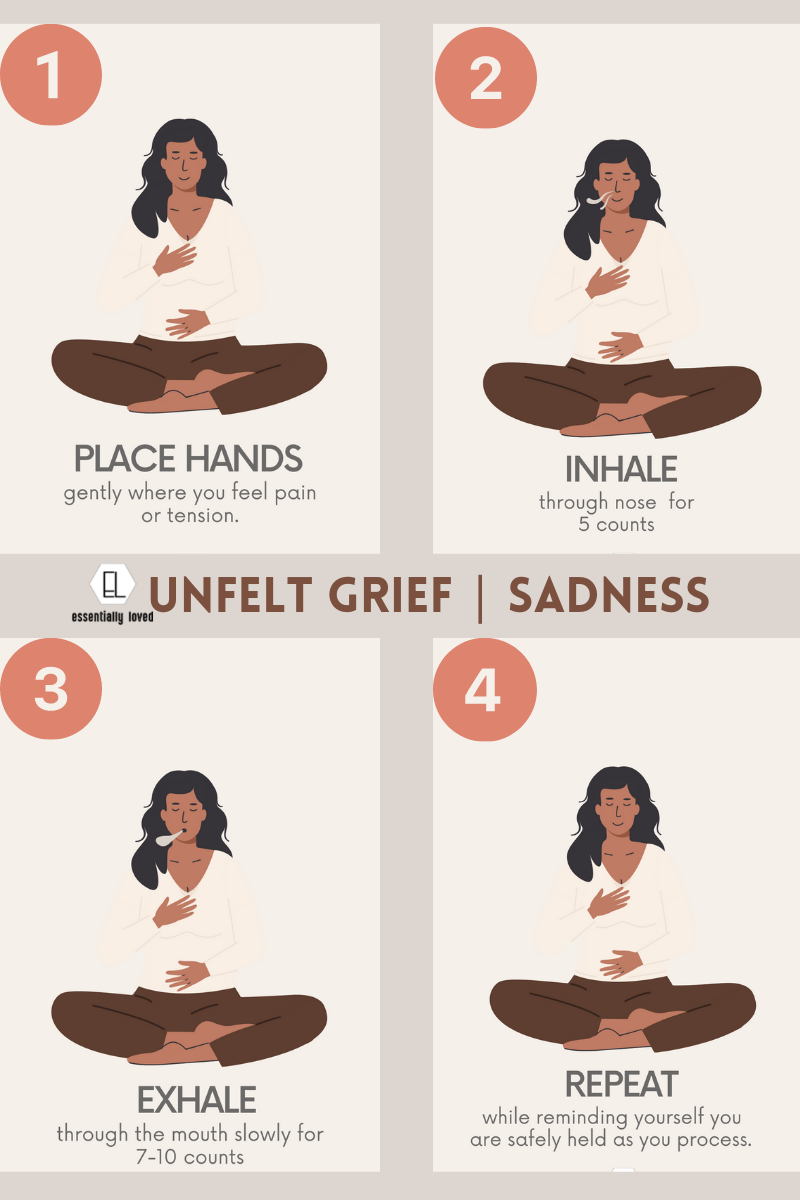
Then I grab an essential oil and put a drop in the palm of my hand and rub my palms together. While my brain is preparing to settle into the memories or situation I am doing my deep breathing. In through my nose for 5 seconds, exhale through my nose for 7-11 seconds. and repeat, and repeat, and repeat. Eventually I drop my hands, my eyes are closed and tears are streaming. (Keep the tissue close by and make sure the oils aren’t on your finger tips for the tear wipes.)
Often during this time Jesus arrives on the scene and shows me something new about it. Not always, but often. When that I like to journal down the notes.
This process seems simple enough, doesn’t it? Just wait until you make a commitment to start practicing this and you will see how powerful it is. God is a creative God and as you begin trying this He will show you new things to try and do in response.
The goal of this isn’t to circle and spin in one thought, it is to learn how to move through them. These hurts are stored in our memory banks but how we respond to them makes a big difference in how we show up in the world. If you feel stuck you may need professional help to learn some new techniques or skills. Don’t be afraid of that either. Seeking help is one of the bravest things you can do and it is such a terrific reminder that you are not in this alone. People care and want to help you!
I am also listing oils specifically helpful for processing sadness. These essential oils can do a multitude of things but today I am sharing a list of them for emotional support with sadness. Breathe is exceptionally good for this particular practice as it opens the airways and clears thinking.

Hope essential oil blend
Rose essential oil
Console essential oil blend
Citrus Bliss essential oil blend
Ylang Ylang essential oil
Siberian fir essential oil
Peppermint essential oil
Eucalyptus essential oil
These are terrific natural options for helping your mind to relax, release, feel and move through.
I’m praying for you and your process. I know God is with you in this, and so am I.

The impact of grief on the Nervous System + how to heal it.
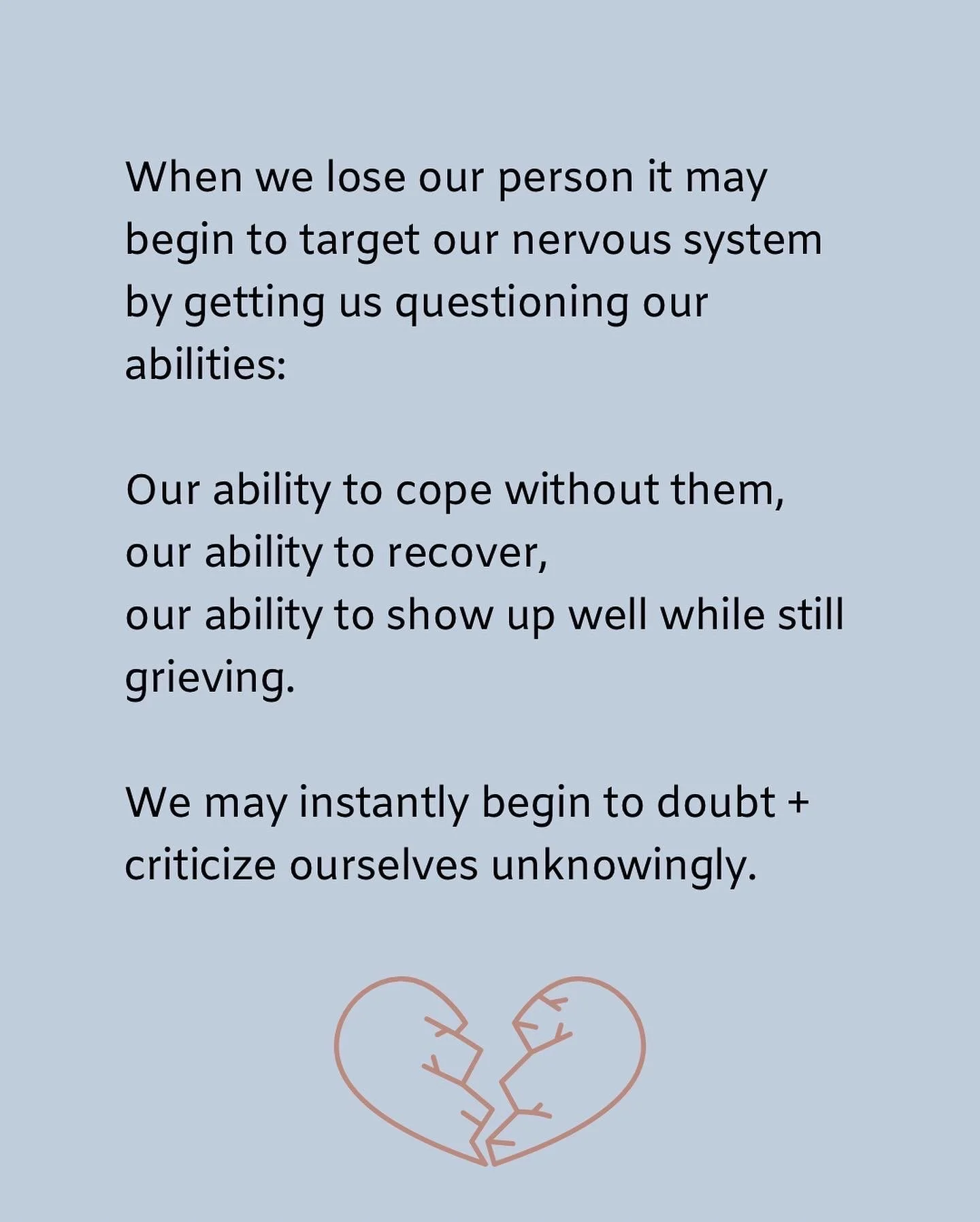
Grief can take a real toll on your mind, brain and body. It rolls in with all of it’s heaviness and the questioning sets in with it.
Will I be able to handle this? It feels like too much. How long will this last? Am I going to make it? I still feel broken.
And we get questions from people, we feel the opinions of others (whether they be real or not), we listen to the experts, and we compare.
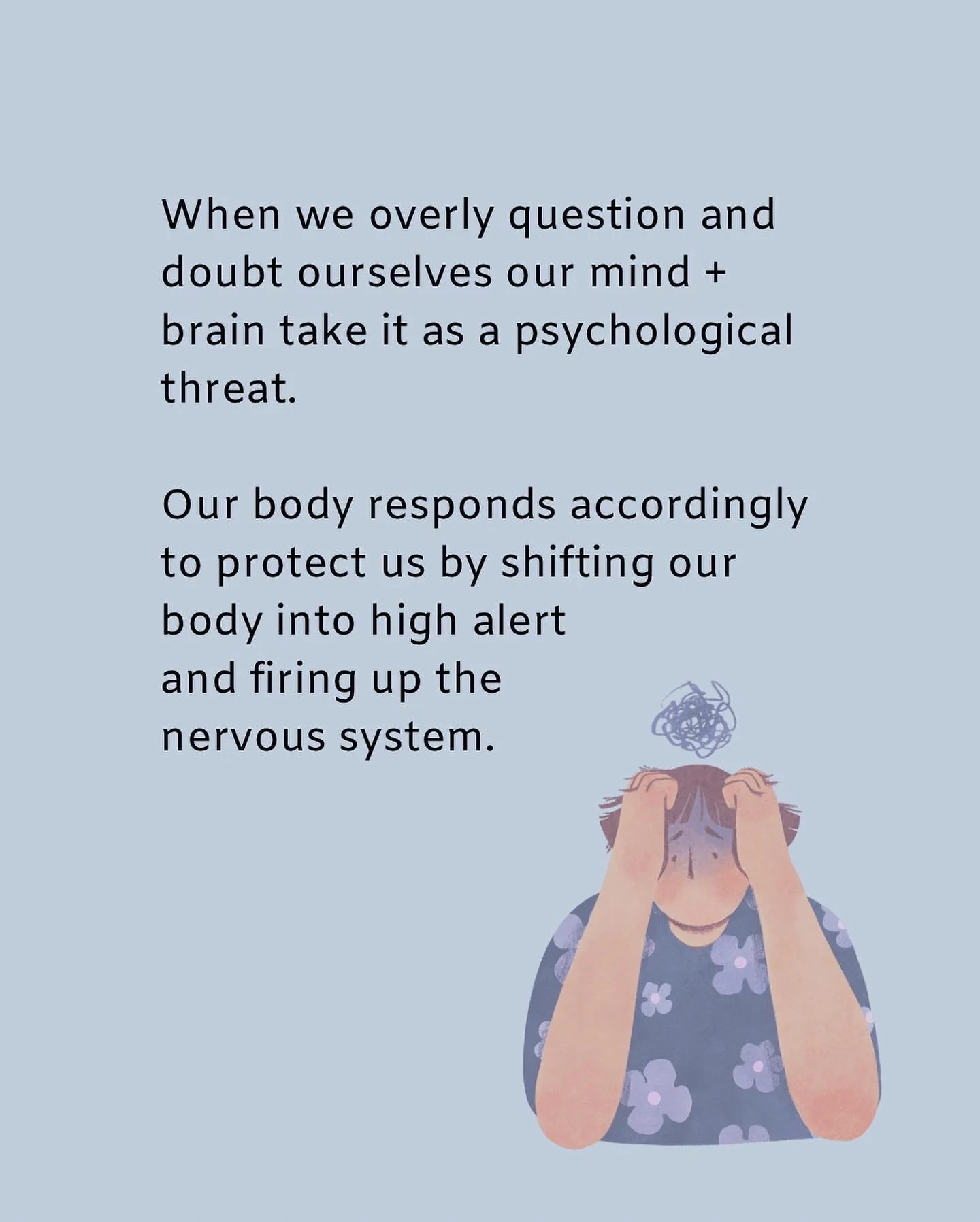
The more restless we get, the more inferior we feel in our grief, the more our mind sees and experiences a psychological threat. And next thing we know our focus narrows, our brain spins, our body responds with all of stress alarms and signals. We become even more tired.
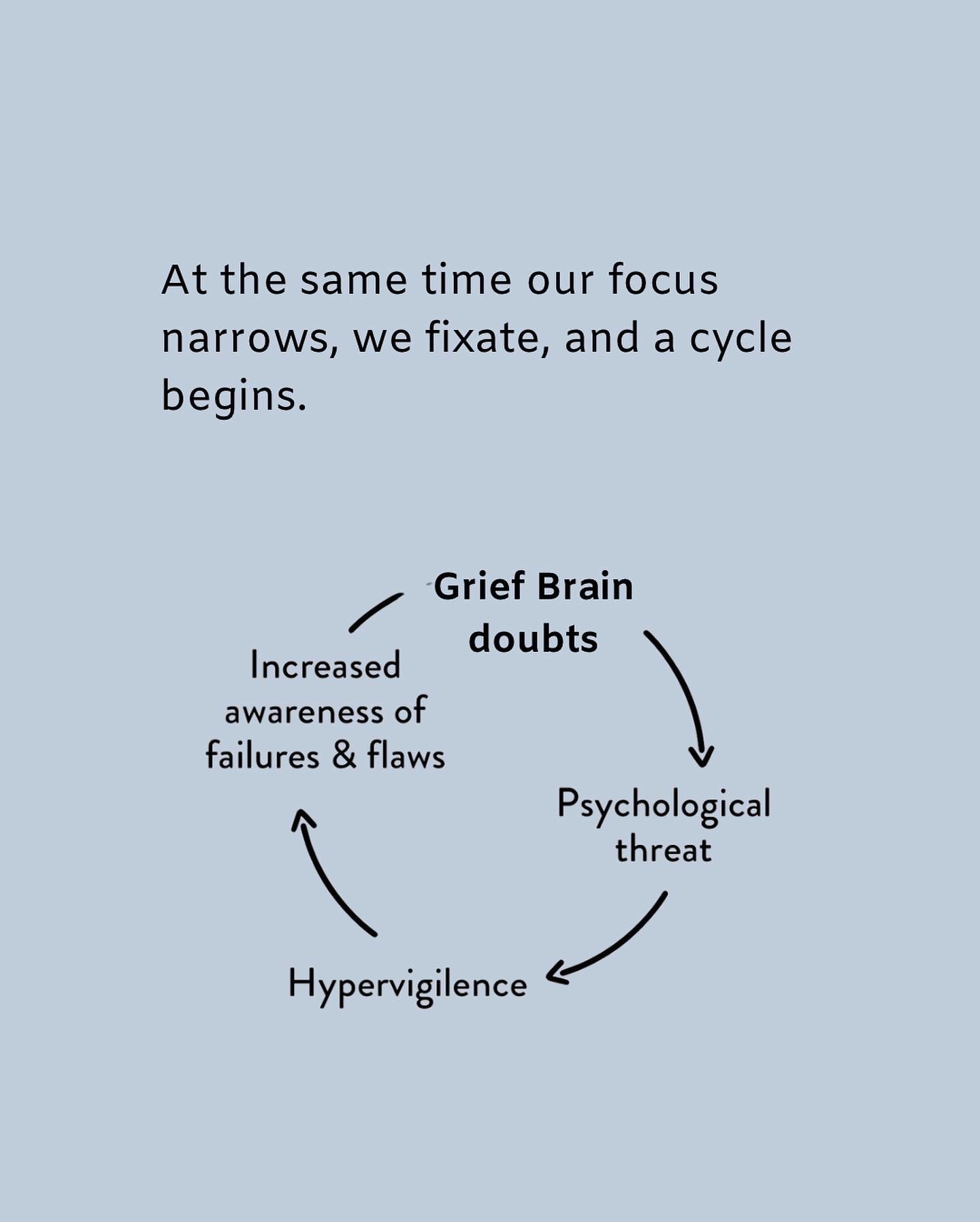
The great news is that we can interrupt this tiresome toxic pattern by following the following steps:

As we recognize our patterns and establish new ways to rewire them we begin to heal. The first step starts with our thoughts, our beliefs about ourselves.
We have to hijack the cycle by inserting new, positive, thoughts that speak the truth about who God created us to be and who He says He is for us. We may be running a bit short on strength but the One will always be more than enough.
Identify the root of the negative thought
Develop a statement of truth that offsets that thought. Know it well.
Whenever your pattern presents itself spout out that statement and break the pattern. And praise God for helping you to recognize it and do something about it.
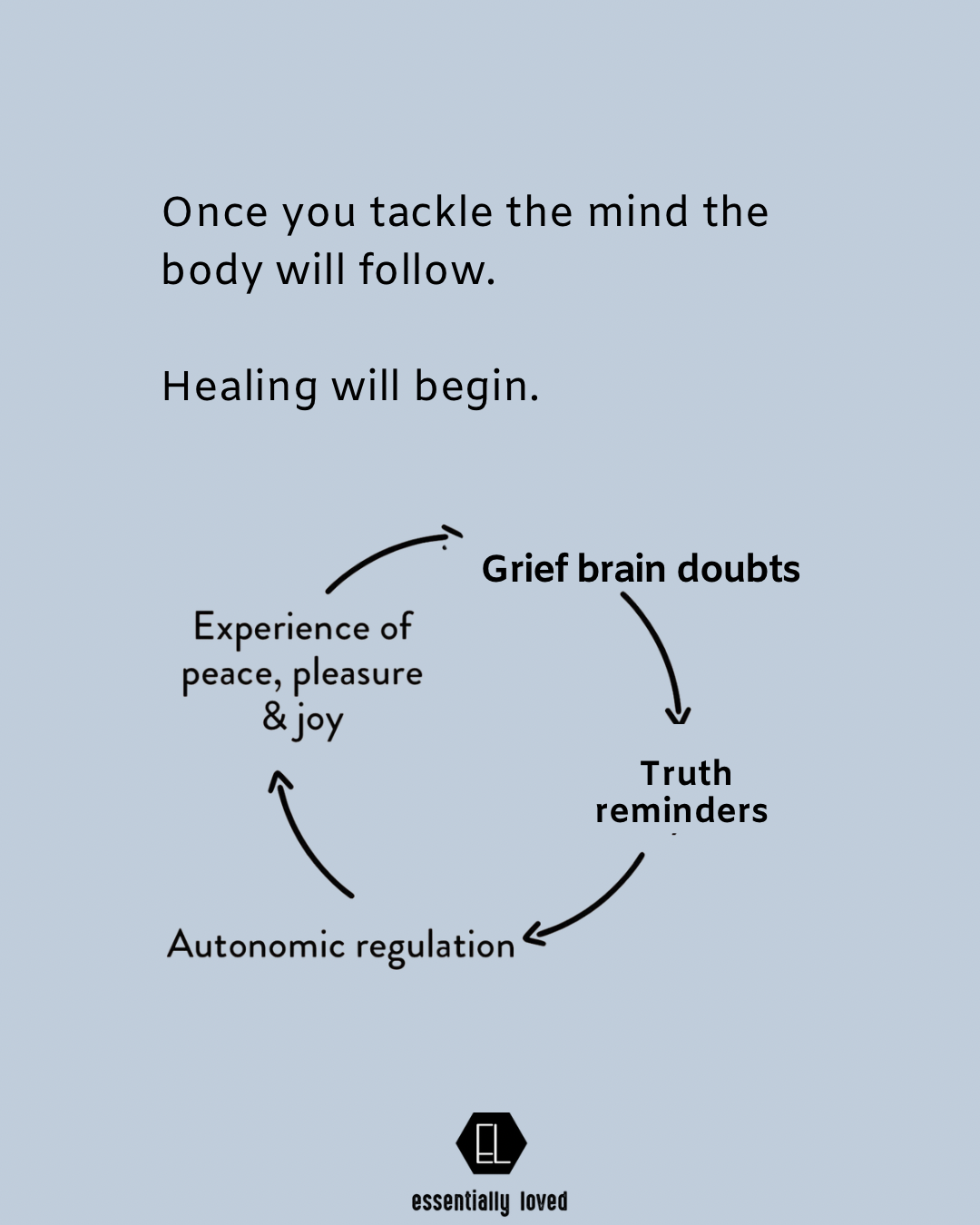
The truth is that God has designed you beautifully. He has created you for a purpose knowing full well every single chapter of your story and how they would equip you for the next. He understands the weariness of it all and He is right there with you in the thick of it.
Trust me, I know this is not an easy journey. But it is worth doing well, you are worth the investment of proper grief healing. This is just the beginning but it is a good one…