
Why crying helps the body release grief and why holding it in makes it harder
Crying during grief can feel frightening, but it often helps the nervous system release stress. This post explains why tears can bring relief in widowhood.

For many widows, crying feels dangerous.
Not emotionally — physically.
There’s a fear that once tears start, something will break open that can’t be contained. That the body will spiral. That the wave will grow instead of pass.
So many widows learn to do this instead:
swallow hard
tighten the jaw
distract
hold their breath
wait it out
It looks like strength.
But inside the body, something else is happening.
Crying is not a loss of control — it’s a nervous system response
Emotional crying is not the same as panic or emotional collapse.
It’s a biological response that involves multiple systems working together:
emotion processing
breath
facial muscles
tear glands
autonomic nervous system regulation
When grief rises, the sympathetic nervous system activates — heart rate increases, muscles tighten, breath shortens.
Crying often appears near the peak of that activation.
Not as a failure — but as a signal that the body has reached its limit and is beginning to release.
What research shows about crying and time
Studies on emotional crying consistently show:
most crying episodes last 5–20 minutes
intense crying rarely sustains beyond 30 minutes unless re-triggered
after crying, many people report:
calmer breathing
reduced tension
emotional softening
a sense of release
This doesn’t mean people feel “better.”
It means the stress response has begun to complete its cycle.
The grief remains.
The intensity shifts.
Why holding back tears often prolongs distress
Suppressing tears doesn’t stop the wave.
It interrupts the body’s attempt to regulate.
When tears are held back:
muscle tension stays high
breath remains shallow
stress hormones linger longer
emotional pressure builds internally
This is why widows often say:
“I didn’t cry — but I felt worse afterward.”
The wave had nowhere to go.
Crying isn’t what overwhelms the body.
Unreleased activation does.

The moment tears come is often the turning point
Many widows notice a pattern they’ve never been told to trust:
intensity builds
pressure peaks
tears come
breath loosens
fog begins to thin
Crying doesn’t end grief.
But it often marks the crest of the wave — the point where the nervous system begins to downshift.
The storm hasn’t passed.
But the worst of the wind has moved through.
When crying feels frightening or out of control
Some widows experience crying that feels panicky, breathless, or destabilizing.
This usually happens when:
grief is layered with trauma
the body is already exhausted
the nervous system has been in high alert for too long
tears are mixed with fear of the tears
In these moments, crying isn’t the problem.
The fear around the crying is.
Supporting the body — rather than stopping the tears — is what helps.
Gentle ways to support crying without forcing it
This is not about “letting it all out.”
It’s about staying with the body while it releases.
You might try:
placing a hand on your chest or stomach
allowing your breath to lengthen naturally after a sob
sitting or lying down so the body doesn’t have to hold itself up
letting your face soften instead of clenching
Nothing dramatic.
Nothing performative.
Just support.
What crying is actually saying
Crying is not saying:
“I can’t handle this.”
It’s saying:
This matters.
This hurts.
I need release.
Tears are not regression.
They are communication.
They are the body speaking when words are insufficient.
A sentence to hold when tears come
Crying often marks the peak of a grief wave, and allowing it can help the nervous system begin to settle rather than prolong distress.
You are not unraveling when you cry.
You are releasing what your body can no longer carry silently.
Coming next
In the next post, we’ll talk about grief fog, sudden calm, and emotional whiplash — and why going from “I’m okay” to “this is unbearable” and back again is not instability, but protection.
Because once widows understand that, they stop judging themselves for surviving.
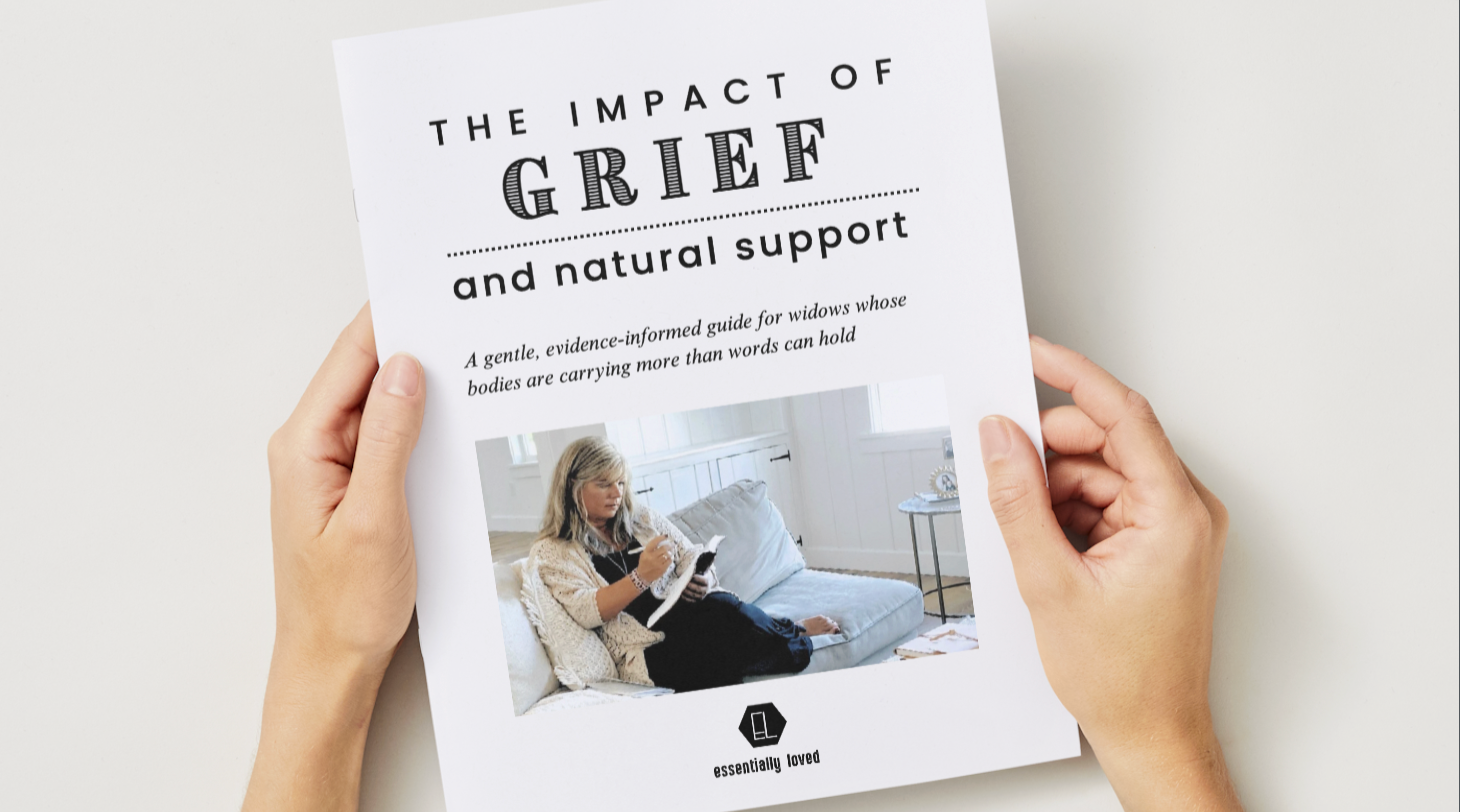
Want to learn more and find some practical helps? You can purchase The Impact of Grief Ebook
This article explains why crying during grief can help the nervous system release stress rather than make grief worse. It explores emotional crying, stress hormones, and parasympathetic regulation in widowhood, showing how tears often mark the peak of a grief wave and help the body settle. This science-informed grief education helps widows understand their tears, reduce fear around crying, and trust their body’s natural responses to loss.